






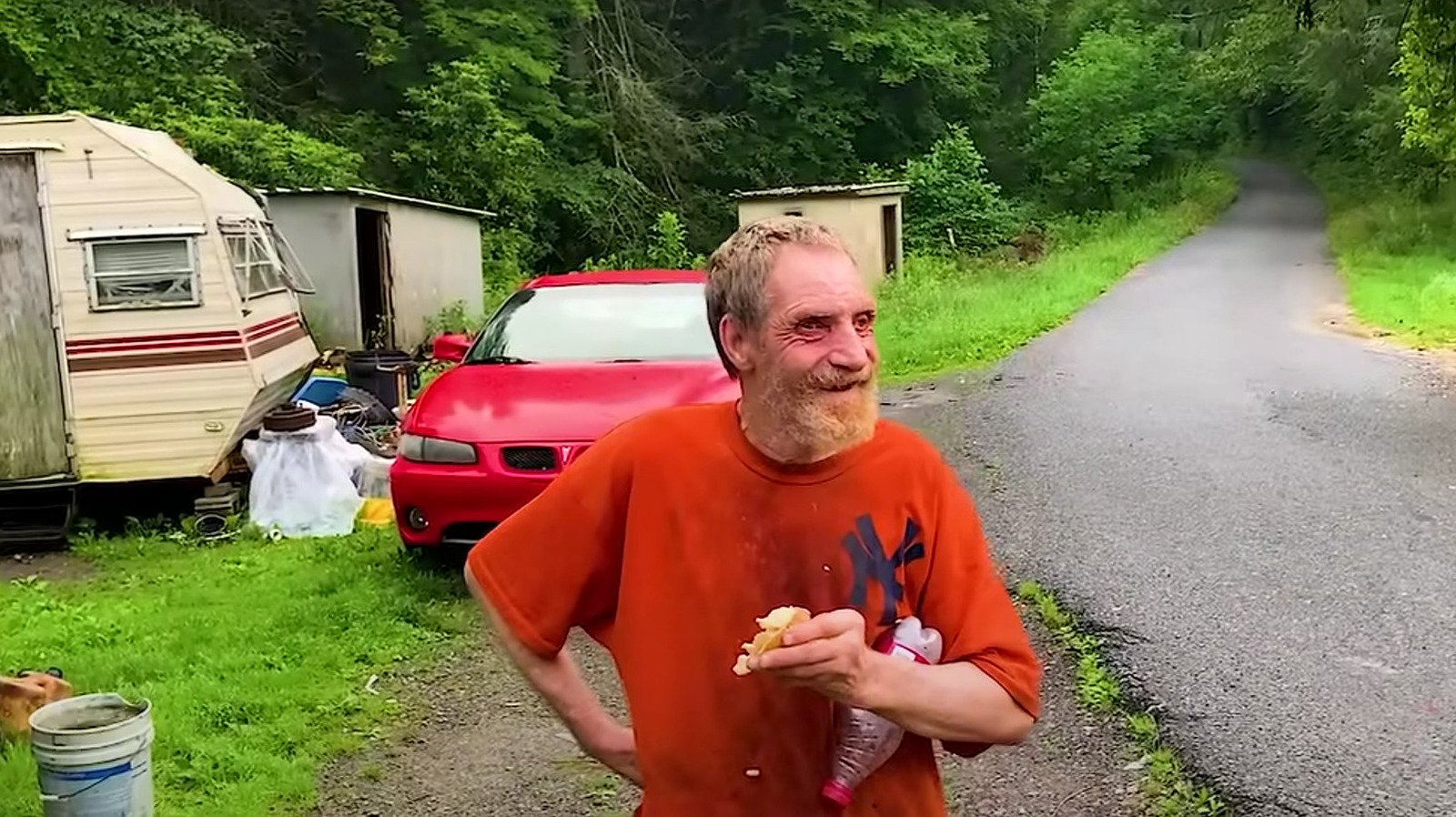
The Whittaker family has become one of the most widely discussed families on the internet after a documentary brought global attention to their unique story. Millions of people have watched videos featuring the family, leading to curiosity, concern, and countless questions. Many viewers wonder what happened to the Whittaker family, why they live the way they do, and whether the information circulating online is accurate.
This complete guide explores the history of the Whittaker family, the circumstances that shaped their lives, the health challenges they face, and the lessons their story offers. Rather than focusing on sensational claims, this article aims to present a balanced and respectful overview based on publicly available information.
Who Are the Whittaker Family?
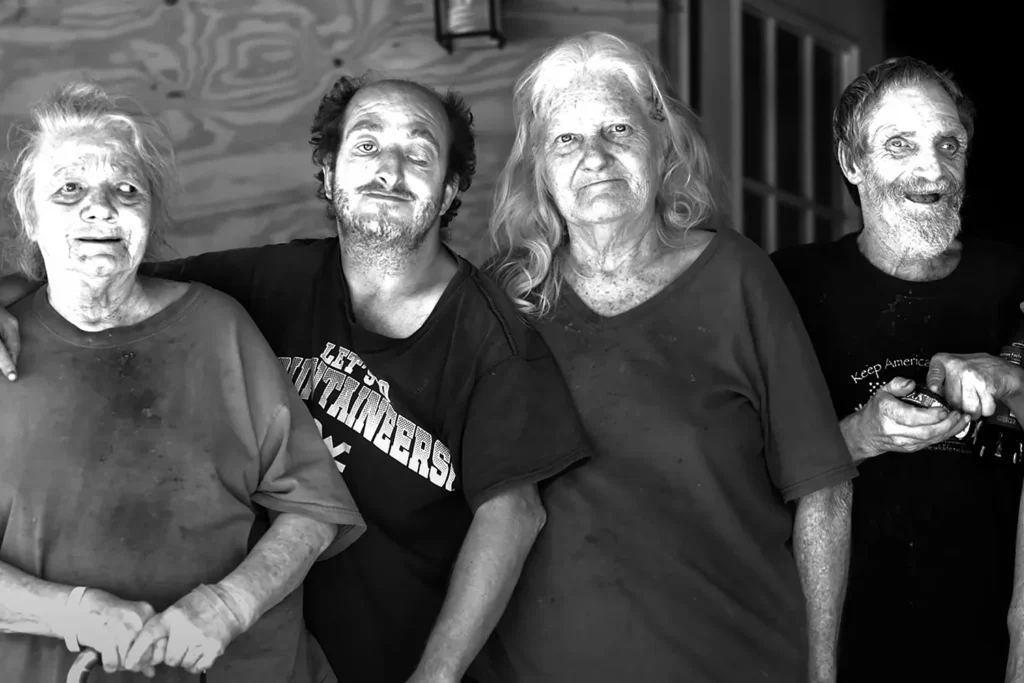
The Whittaker family lives in rural West Virginia, United States. They became internationally known after being featured in a documentary by photographer and filmmaker Mark Laita, creator of the Soft White Underbelly interview series. The documentary introduced viewers to several members of the family and highlighted the difficult conditions in which they live.
What captured public attention was not only their isolated lifestyle but also the developmental disabilities affecting several family members. As the videos spread across YouTube and social media, millions of people searched for more information about the Whittaker family.
Why Did the Whittaker Family Become Famous?
The family’s sudden popularity was driven by viral online videos that showed their daily lives in a remote community. Viewers were surprised by their living conditions and the communication difficulties experienced by some family members.
The documentary sparked widespread discussions about:
- Rural poverty in America
- Access to healthcare
- Genetic disorders
- The effects of social isolation
- Ethical concerns surrounding documentary filmmaking
While many viewers expressed sympathy and offered financial support, others criticized the attention the family received, arguing that their privacy should be respected.
What Happened to the Whittaker Family?
One of the biggest questions people ask is: What happened to the Whittaker family?
The answer is more complex than many headlines suggest.
Public reports indicate that several members of the family have intellectual and developmental disabilities. According to interviews and documentary discussions, these conditions are believed to be linked to generations of marriages between close relatives within the family’s ancestry. While this explanation has been widely repeated, detailed medical records confirming the exact genetic causes have never been publicly released.
Because of this, it is important to avoid presenting speculation as established fact.
In addition to health challenges, the family has also experienced:
- Economic hardship
- Limited educational opportunities
- Geographic isolation
- Limited access to healthcare services
These factors together have significantly influenced their quality of life.
Understanding the Health Challenges
Many people mistakenly assume that every member of the Whittaker family has the same condition. This is not accurate.
The family includes individuals with different levels of physical, intellectual, and communication abilities. Some members are able to hold conversations, while others have more significant developmental limitations.
Without official medical documentation, it is impossible to diagnose the family publicly. Experts generally caution against making assumptions based solely on online videos.
The family’s situation highlights the importance of understanding genetic health risks while recognizing that every individual deserves dignity and respect.
Life in Rural West Virginia
The Whittaker family’s story also shines a light on broader issues affecting many rural communities.
People living in isolated regions often face challenges such as:
- Limited healthcare facilities
- Fewer educational resources
- Lower employment opportunities
- Transportation difficulties
- Higher poverty rates
These factors can create long-term disadvantages that extend across multiple generations.
The Whittaker family’s circumstances illustrate how social and economic conditions can compound existing health issues.
Public Reaction to the Documentary
The documentary received millions of views worldwide and generated a wide range of reactions.
Many viewers:
- Donated money to support the family.
- Expressed compassion for their situation.
- Raised awareness about rural poverty.
- Encouraged respectful discussion.
Others questioned whether documenting the family’s private life was ethical and whether viral attention could negatively affect them.
These conversations continue today whenever new videos or updates about the family appear online.
Has the Whittaker Family Received Help?
Following the popularity of the documentary, donations from viewers reportedly helped improve certain aspects of the family’s living conditions.
Support has included:
- Home repairs
- Essential supplies
- Food assistance
- Financial donations
- Increased public awareness
Although these improvements have helped, long-term challenges related to health and daily living remain significant.
Common Myths About the Whittaker Family
Because the family became famous online, misinformation has spread rapidly.
Here are some common myths:
Every Family Member Has the Same Disability
This is false. Individuals within the family have different abilities and health conditions.
Everything Online Is Medically Confirmed
There are very few publicly verified medical records. Many online claims are based on assumptions.
The Family Wants Constant Public Attention
The family became known through documentary work, but that does not necessarily mean they seek ongoing internet fame.
Their Situation Is Unique
While the Whittaker family has an unusual story, many rural communities struggle with poverty, limited healthcare, and educational barriers.
Why the Whittaker Family’s Story Matters
The Whittaker family’s experience encourages important conversations about topics that often receive little public attention.
Their story raises awareness of:
- Genetic health education
- Rural healthcare access
- Mental and developmental disabilities
- Social inequality
- Compassionate storytelling
Rather than viewing the family simply as an internet curiosity, many people see their story as a reminder of the importance of empathy and community support.
Respecting Privacy and Human Dignity
As public interest continues, it is essential to remember that the Whittaker family members are real people, not entertainment.
Responsible reporting should avoid sensationalism and instead focus on verified information and respectful language. Discussions about disabilities or family history should always prioritize human dignity over shock value.
This approach aligns with modern journalism standards and helps reduce harmful stereotypes.
Frequently Asked Questions
Where does the Whittaker family live?
The family lives in a rural area of West Virginia, United States.
Why is the Whittaker family famous?
They gained worldwide attention after appearing in a documentary that highlighted their lives, health challenges, and living conditions.
Are the stories about the Whittaker family true?
Many aspects shown in documentaries are based on direct interviews and observations. However, some claims shared online remain unverified and should be treated with caution.
Did the Whittaker family receive donations?
Yes. Following widespread media attention, supporters reportedly donated money and supplies that helped improve their living conditions.
What can we learn from their story?
The Whittaker family’s experience highlights the importance of healthcare access, education, empathy, and avoiding misinformation.
Final Thoughts
The question, “What happened to the Whittaker family?”, cannot be answered with a single explanation. Their story is shaped by a combination of genetic factors, economic hardship, rural isolation, and public attention.
While documentaries introduced millions of viewers to the family, it is important to separate verified facts from internet rumors. Their experience serves as a reminder that behind every viral story are real people facing real challenges.
By approaching the Whittaker family’s story with empathy, accuracy, and respect, readers can better understand the broader social issues their lives represent. Instead of focusing solely on sensational headlines, we should recognize the importance of compassion, responsible reporting, and continued efforts to improve healthcare and opportunities for underserved communities.