






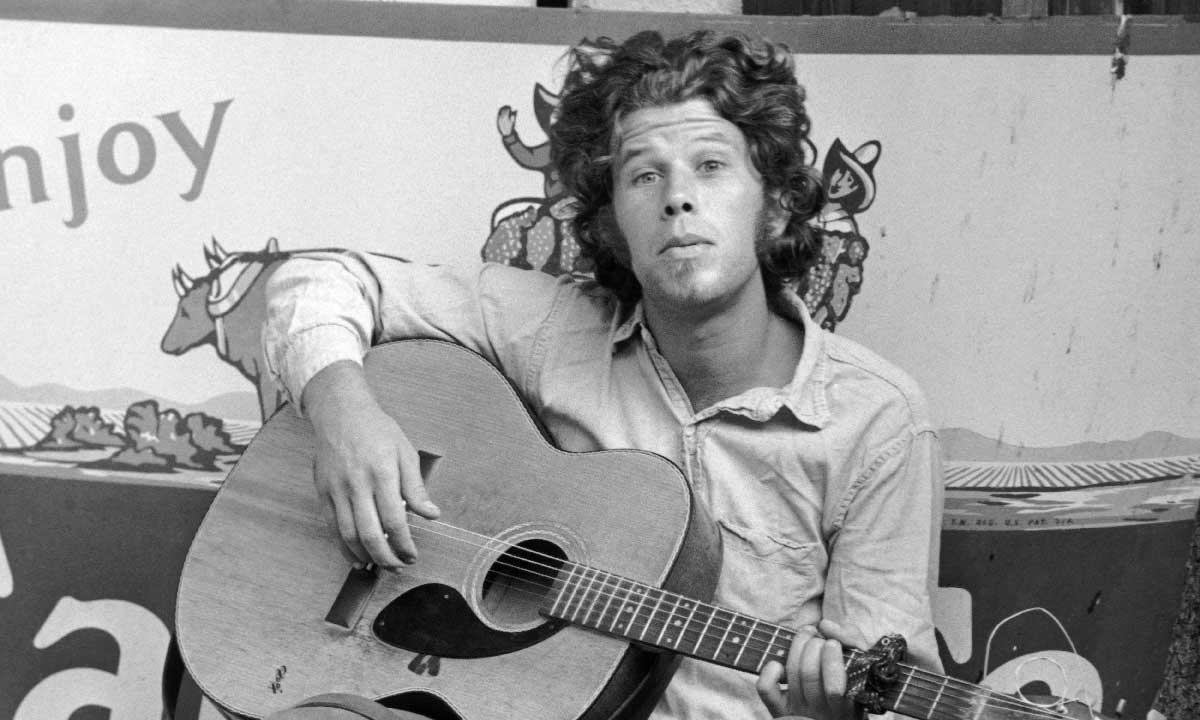
There are artists who fit neatly into genres, and then there are those who bend genres until they almost disappear. Tom Waits belongs firmly in the second category. His voice sounds like gravel wrapped in smoke, his lyrics feel like half-forgotten stories from a neon-lit alley, and his music refuses to behave like anything conventional.
From the very beginning, Tom Waits stood apart. He wasn’t trying to be polished or commercially predictable. Instead, he built a career on atmosphere, storytelling, and emotional rawness. That choice is exactly what turned him into a cult figure and later into a respected musical legend.
In this article, we’ll explore the career highlights, artistic evolution, and musical legacy of Tom Waits, while also looking at the creative traits that make him one of the most distinctive voices in modern music history.
BIO of Tom Waits
| Category | Details |
|---|---|
| Full Name | Thomas Alan Waits |
| Date of Birth | December 7, 1949 |
| Age | 76 (as of 2026) |
| Profession | Singer, Songwriter, Composer, Actor |
| Nationality | American |
| Net Worth (approx.) | $25–30 million |
| Notable Works / Achievements | Closing Time, Rain Dogs, Swordfishtrombones, Mule Variations, Bone Machine |
Early career beginnings of Tom Waits
Before Tom Waits became a musical icon, he was just a young songwriter influenced by jazz, folk, and blues. His early career was shaped by the atmosphere of Los Angeles in the late 1960s and early 1970s.
At that time, singer-songwriters were often expected to be soft, melodic, and radio-friendly. But even in his earliest recordings, Tom Waits sounded different. His music carried a smoky barroom energy, influenced by beat poetry, street life, and jazz piano rhythms.
Early influences shaping his sound:
- Beat Generation literature
- Classic jazz vocalists
- Blues storytelling traditions
- Folk singer-songwriter movement
- Urban nightlife imagery
- American road culture
- Experimental theater music
This mix created a foundation that would later define the signature identity of Tom Waits.
Breakthrough with Closing Time
The debut album Closing Time marked the official introduction of Tom Waits to the music world. Although it was more melodic and folk-inspired than his later work, the emotional depth was already clear.
The album revealed:
- Soft piano-driven ballads
- Introspective songwriting
- Jazz-influenced harmonies
- Narrative-driven lyrics
- Romantic and melancholic themes
While it didn’t immediately establish his later experimental identity, it laid the emotional groundwork for what Tom Waits would become.
Evolution into a darker, experimental sound
The real transformation in the career of Tom Waits came during the late 1970s and 1980s. This was when he began moving away from traditional songwriting and toward more experimental soundscapes.
His music became:
- Rougher in texture
- More theatrical
- Heavily influenced by industrial sounds
- Filled with unconventional instrumentation
- Emotionally fragmented yet deeply expressive
This period marked a turning point where Tom Waits stopped fitting into any mainstream category.
Rain Dogs and artistic reinvention
One of the most important milestones in the career of Tom Waits is the album Rain Dogs. This project is often considered one of his greatest artistic achievements.
It showcased:
- Collage-like musical structure
- Accordion, marimba, and junk percussion
- Urban storytelling themes
- Experimental blues elements
- Nonlinear narrative songwriting
This album demonstrated that Tom Waits was no longer just a songwriter—he was a sound architect.
Acting career and artistic expansion
Beyond music, Tom Waits also developed a respected acting career. His film appearances added another layer to his artistic identity.
He appeared in films that often matched his aesthetic:
- Independent cinema projects
- Dark, atmospheric storytelling
- Character-driven narratives
- Artistic, non-commercial productions
His acting style mirrored his music: subtle, unusual, and deeply expressive.
Musical style and signature sound
The sound of Tom Waits is almost impossible to replicate. It is built on imperfection, texture, and emotional storytelling rather than technical polish.
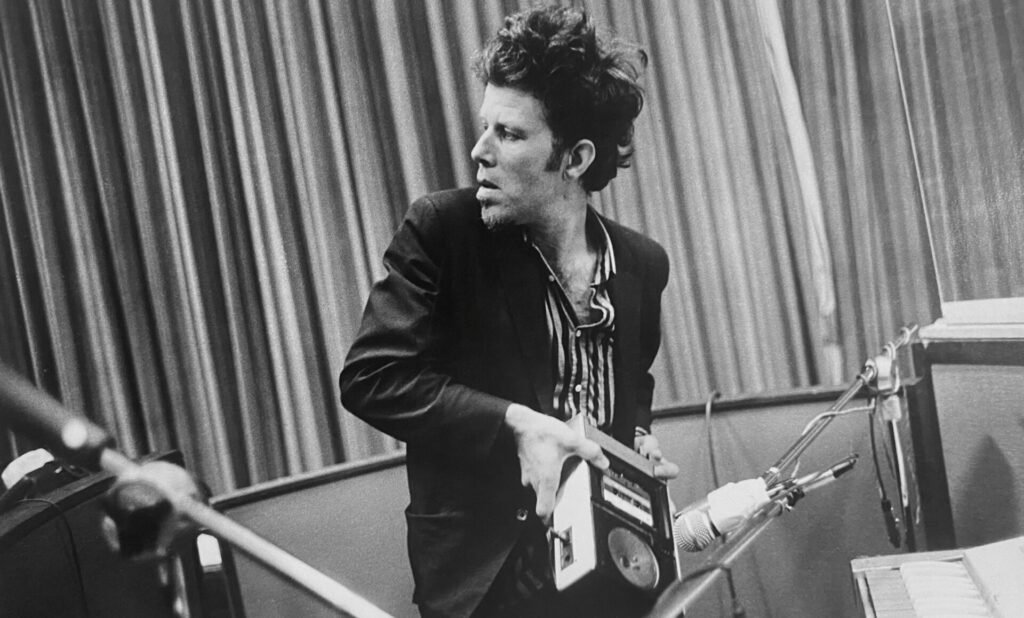
Core elements of his musical identity:
- Gravel-toned vocal delivery
- Spoken-word singing style
- Experimental instrumentation
- Jazz, blues, and folk fusion
- Surreal lyrical storytelling
- Industrial and found sounds
- Minimalist yet chaotic arrangements
- Theatrical performance style
- Noir-inspired atmosphere
- Anti-commercial production approach
Each of these elements contributes to what makes Tom Waits instantly recognizable.
Major career highlights of Tom Waits
Over the decades, Tom Waits has built a career full of defining moments.
Key highlights include:
- Debut success with Closing Time
- Critical acclaim for Swordfishtrombones
- Artistic breakthrough with Rain Dogs
- Experimental evolution in Bone Machine
- Recognition as a cult musical icon
- Influence on alternative and indie artists
- Successful acting roles in independent films
- Long-term artistic independence from major trends
Each of these milestones helped shape the legacy of Tom Waits.
BIO summary table (career overview)
| Category | Details |
|---|---|
| Name | Tom Waits |
| Profession | Musician, Actor |
| Style | Experimental, Blues, Jazz, Folk |
| Known For | Unique voice and storytelling lyrics |
| Career Span | Over 50 years |
| Legacy | Influential cult artist and songwriter |
Influence on modern music
The influence of Tom Waits extends far beyond his own discography. Many artists across genres cite him as an inspiration.
Areas of influence:
- Alternative rock bands
- Indie folk musicians
- Experimental composers
- Film soundtrack creators
- Spoken word performers
His approach proved that music does not need to be clean or commercial to be powerful.
Why Tom Waits remains timeless
The reason Tom Waits continues to be relevant is simple: authenticity. He never tried to adapt to trends. Instead, he built his own world and invited listeners into it.
Reasons for lasting legacy:
- Unique and unrepeatable vocal style
- Strong artistic independence
- Deep emotional storytelling
- Cross-genre musical experimentation
- Consistent creative evolution
This combination makes Tom Waits a rare figure in modern music history.
Conclusion
The legacy of Tom Waits
Looking back at the career of Tom Waits, it becomes clear that his success was never about mainstream popularity. Instead, it was about artistic integrity, experimentation, and emotional honesty.
From Closing Time to Rain Dogs and beyond, Tom Waits built a body of work that refuses to be categorized. His music feels like a collection of stories from forgotten places, told in a voice that could only belong to him.
Even today, his influence continues to shape musicians, filmmakers, and writers. And perhaps that is the true measure of his legacy.
Tom Waits is not just a musician—he is a world of sound, emotion, and imagination that continues to grow with every new listener.