






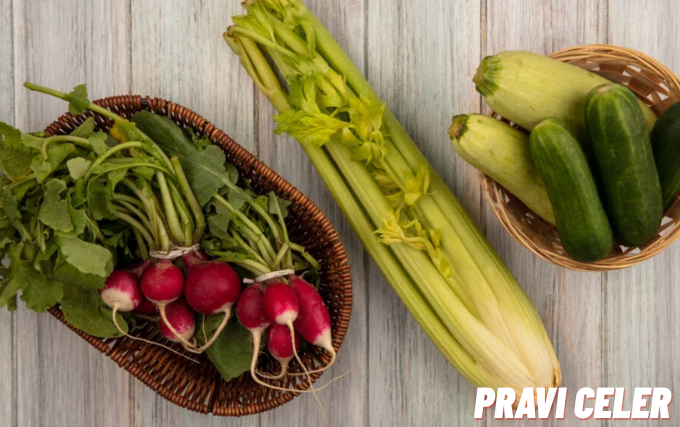
Pravi celer (literally “real celery”) is a widely known vegetable valued for its crisp texture, refreshing taste, and powerful health properties. Belonging to the species Apium graveolens, it is used around the world both as a culinary ingredient and as a natural remedy in traditional medicine. While many people recognize celery as a simple salad or soup ingredient, its nutritional richness and therapeutic potential are often underestimated.
In this detailed guide, we will explore everything about pravi celer—its nutritional profile, health benefits, cultivation, culinary uses, and how to properly select and store it.
What is Pravi Celer?
Pravi celer refers to the cultivated form of celery, a plant that belongs to the Apiaceae family, which also includes carrots, parsley, and fennel. It is a biennial plant, but it is usually harvested in its first year when the stalks are tender and flavorful.
The plant consists of three main edible parts:
- Stalks (petioles): The crunchy green or pale-green ribs commonly eaten raw or cooked
- Leaves: Aromatic and rich in flavor, often used as herbs
- Root (celeriac in some varieties): A bulb-like structure used in soups and purees
Pravi celer is grown worldwide, but it thrives in cooler climates with plenty of moisture. Its characteristic crunch and slightly salty, earthy flavor make it a staple in salads, soups, and juices.
Nutritional Value of Pravi Celer
One of the main reasons pravi celer is so popular in health-conscious diets is its impressive nutritional profile combined with very low calorie content.
Key nutrients found in celery:
- Calories: Very low (around 14–16 kcal per 100g)
- Water content: About 95%, making it highly hydrating
- Fiber: Supports digestion and gut health
- Vitamin K: Essential for blood clotting and bone health
- Vitamin C: Supports immune function
- Potassium: Helps regulate blood pressure
- Folate: Important for cell growth and metabolism
Pravi celer also contains antioxidants such as flavonoids and polyphenols, which help reduce inflammation and protect cells from oxidative stress.
Because of its nutrient density and low energy content, celery is often included in weight-loss diets and detox programs.
Health Benefits of Pravi Celer
Pravi celer is not just a crunchy snack—it is a functional food with multiple health benefits supported by both traditional use and modern research.
1. Supports Heart Health
Celery contains compounds called phthalides, which may help relax blood vessels and improve blood flow. This can contribute to lower blood pressure levels and reduced cardiovascular risk.
2. Aids Digestion
The fiber in pravi celer supports healthy bowel movements and prevents constipation. It also promotes the growth of beneficial gut bacteria, improving overall digestive health.
3. Reduces Inflammation
Antioxidants found in celery help reduce inflammation in the body. This is particularly useful for people with chronic conditions such as arthritis.
4. Supports Hydration
With its extremely high water content, celery helps maintain hydration, especially during hot weather or after physical activity.
5. May Support Weight Loss
Because it is low in calories but high in fiber and water, celery can increase feelings of fullness and reduce overall calorie intake.
6. Detoxifying Properties
Traditionally, celery has been used as a natural detox food. It supports liver function and helps the body eliminate toxins more efficiently.
How to Recognize Pravi Celer
Many people confuse pravi celer with similar-looking plants or less flavorful varieties. However, there are clear characteristics that help identify it.
Physical characteristics:
- Long, firm, and ribbed stalks
- Light green to deep green color
- Crisp texture when fresh
- Strong, fresh aroma
- Feather-like green leaves at the top
Fresh pravi celer should feel firm and snap easily when bent. If it is limp or rubbery, it is no longer fresh.
There is also a related plant called wild celery, but it tends to be more bitter and is not commonly used in everyday cooking.
Growing Conditions and Cultivation
Pravi celer is considered a moderately challenging crop to grow because it requires consistent moisture and nutrient-rich soil.
Ideal growing conditions:
- Climate: Cool and mild temperatures (15–20°C ideal)
- Soil: Rich, well-drained, and high in organic matter
- Water: Frequent watering is essential
- Sunlight: Full sun to partial shade
Celery has a long growing season, often taking 3–4 months to reach maturity. Farmers usually start seeds indoors and later transplant seedlings into the field.
Common challenges:
- Sensitivity to drought
- Pest attacks such as aphids
- Nutrient deficiencies causing weak stalks
Despite these challenges, successful cultivation produces a highly profitable and in-demand crop.
Culinary Uses of Pravi Celer
Pravi celer is extremely versatile in the kitchen and can be used in both raw and cooked forms.
Raw uses:
- Fresh salads
- Healthy snacks with dips
- Green juices and smoothies
Cooked uses:
- Soups and stews (essential base ingredient in many cuisines)
- Stir-fried vegetable dishes
- Sauces and broths
- Stuffing for meat or vegetables
Popular combinations:
- Celery + carrot + onion (classic soup base)
- Celery + apple (fresh juice combination)
- Celery + chicken (flavor base in soups and stews)
The leaves are often overlooked but are highly aromatic and can be used similarly to parsley.
Side Effects and Precautions
Although pravi celer is generally safe for most people, there are a few considerations to keep in mind.
Possible concerns:
- Allergic reactions: Some individuals may be allergic to celery, which can cause skin or digestive symptoms
- Blood pressure effects: Because it may lower blood pressure, people on medication should consume it moderately
- Kidney sensitivity: Celery contains oxalates, which may not be suitable in large amounts for people with kidney issues
- Pregnancy caution: Excessive consumption of celery seeds or extracts is not recommended during pregnancy
As with any food, moderation is key.
Tips for Selecting and Storing Pravi Celer
Choosing fresh celery ensures better taste, texture, and nutritional value.
How to choose fresh celery:
- Look for firm, tightly packed stalks
- Avoid limp or yellowing leaves
- Check for a crisp snapping sound when bent
- Choose darker green stalks for stronger flavor
Storage tips:
- Store in the refrigerator wrapped in aluminum foil or a damp paper towel
- Keep in the vegetable drawer for maximum freshness
- Avoid storing near ethylene-producing fruits like apples and bananas
- Fresh celery can last up to 1–2 weeks when properly stored
For long-term use, celery can also be chopped and frozen, although this slightly reduces its crunchiness.
Why Pravi Celer Deserves a Place in Your Diet
Pravi celer is more than just a crunchy vegetable—it is a nutrient-rich food that supports overall health, digestion, hydration, and cardiovascular function. Its versatility in cooking makes it easy to include in daily meals, whether raw in salads or cooked in hearty dishes.
In modern nutrition, where processed foods dominate, simple natural foods like celery play a crucial role in maintaining balance and wellness. Its combination of low calories, high water content, and valuable nutrients makes it an excellent addition to almost any diet.
Conclusion
Pravi celer is a humble yet powerful vegetable that offers significant health benefits and culinary flexibility. From supporting heart health and digestion to enhancing meals with its unique flavor, it deserves more attention than it often receives.
Whether you are looking to improve your diet, explore healthier cooking options, or simply enjoy a refreshing vegetable, pravi celer is an excellent choice. By understanding its properties, uses, and benefits, you can make the most of this remarkable plant in your everyday life.