






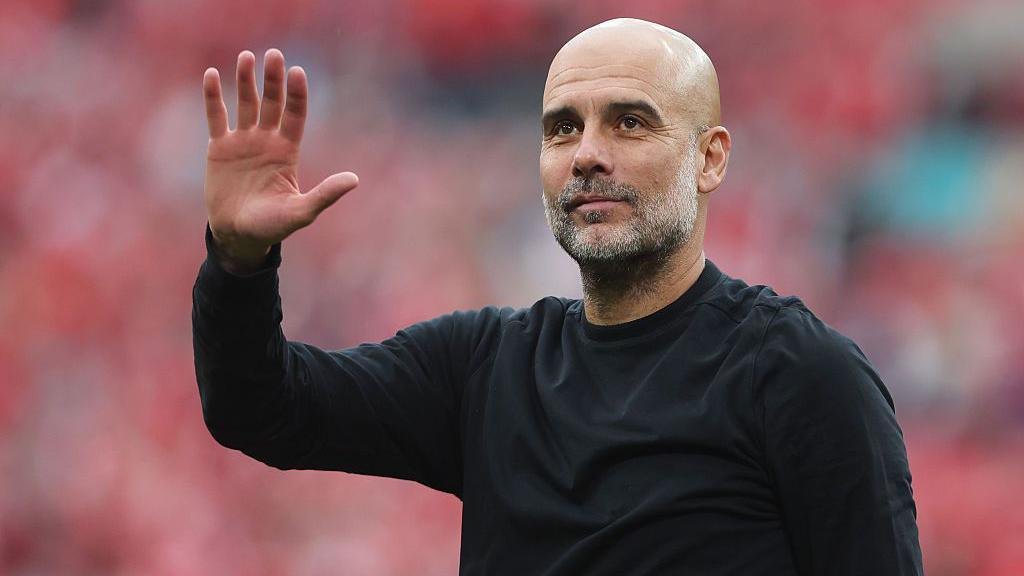
Few names in football carry as much influence as Pep Guardiola. Whether you admire his tactical genius or question his perfectionism, one thing is undeniable: he has reshaped modern football in a way very few managers ever have.
When people talk about dominance, style, and consistency in elite football, the conversation almost always circles back to Pep Guardiola. But what exactly is his “success formula”? Is it tactics alone, or something deeper—something psychological, almost philosophical?
The truth is, Pep Guardiola success formula is not a single trick or system. It is a blend of mindset, structure, emotional intelligence, and relentless adaptation. And once you start breaking it down, you realize it’s more human than mechanical.
Let’s explore it in depth.
Understanding Pep Guardiola’s Football Philosophy
To understand Pep Guardiola, you have to forget the idea that football is just about winning. For him, winning is the result, not the purpose. The real goal is control, expression, and improvement.
At the heart of Pep Guardiola success formula lies one core belief: football should be played with intention, not chaos.
He builds teams that dominate possession, but not just for passing statistics. Every pass has meaning. Every movement creates structure. Every player is part of a living system.
Pep Guardiola doesn’t just coach teams; he designs football ecosystems.
Key pillars of his philosophy:
- Possession with purpose
- Positional discipline
- High pressing after loss
- Constant spatial awareness
- Emotional control under pressure
This philosophy has followed him from Barcelona to Bayern Munich and later Manchester City, evolving but never losing its identity.
The Tactical Intelligence Behind Pep Guardiola
If you study Pep Guardiola closely, you’ll notice that tactics are his language. But unlike many managers, he doesn’t rely on fixed systems.
One season he may use inverted full-backs. Another season, false nines. Sometimes even hybrid midfield structures that confuse analysts.
The secret is flexibility within structure.
How Pep Guardiola builds tactical dominance
Pep Guardiola success formula relies heavily on three tactical layers:
1. Positional Play (Juego de Posición)
Players are always positioned to create passing triangles and overloads. This ensures that the team always has numerical superiority in key zones.
2. Controlled Build-Up
Instead of rushing forward, his teams build from the back patiently. This reduces risk and increases control.
3. Defensive Reorganization
After losing the ball, the team immediately presses to recover possession within seconds.
This tactical intelligence is why Pep Guardiola teams often look like they are always one step ahead of their opponents.
The Psychological Edge of Pep Guardiola
Tactics alone don’t explain success at the highest level. What separates good coaches from legendary ones is psychology.
Pep Guardiola understands players deeply. He knows when to push, when to protect, and when to challenge.
One of the most underrated aspects of Pep Guardiola success formula is emotional management.
How he builds mental strength:
- He demands perfection but allows creativity
- He creates pressure but also trust
- He challenges ego but builds confidence
However, this balance is not easy. Many players have admitted that playing under him is mentally intense. But those who adapt often reach their peak performance.
Pep Guardiola doesn’t just improve players; he transforms them.
Leadership Style: Quiet Authority, Strong Impact
Unlike many fiery managers on the touchline, Pep Guardiola leads differently. He is expressive, yes, but not chaotic.
His leadership is built on clarity.
Players know exactly what is expected of them. There is no confusion, only precision.
Traits of Pep Guardiola leadership:
- Calm communication
- Tactical clarity
- High expectations
- Trust in intelligent players
- Continuous feedback loop
This leadership style is a core part of Pep Guardiola success formula, especially in modern football where emotional pressure is constant.
Adaptability: The Secret Weapon
One of the biggest misconceptions about Pep Guardiola is that he sticks rigidly to one style. In reality, he is one of the most adaptable managers in football history.
At Barcelona, his system revolved around Lionel Messi and possession dominance. At Bayern Munich, he introduced structural variations and controlled aggression. At Manchester City, he evolved again, incorporating physicality and defensive solidity.
This ability to adapt is what keeps Pep Guardiola ahead of football trends.
Examples of adaptation:
- Using false nine systems when needed
- Switching to direct play in tight matches
- Adjusting pressing intensity based on opposition
- Reinventing player roles mid-season
Pep Guardiola success formula works because it is never static.
Player Development: Turning Talent into Masterpieces
One of the most impressive parts of his career is how he improves players individually.
Many footballers have reached career-best form under him.
He doesn’t just pick stars; he builds them.
Common improvements under Pep Guardiola:
- Better positioning
- Faster decision-making
- Improved tactical intelligence
- Higher consistency levels
For example, midfielders often become more disciplined. Defenders become more comfortable on the ball. Even attackers learn defensive responsibilities.
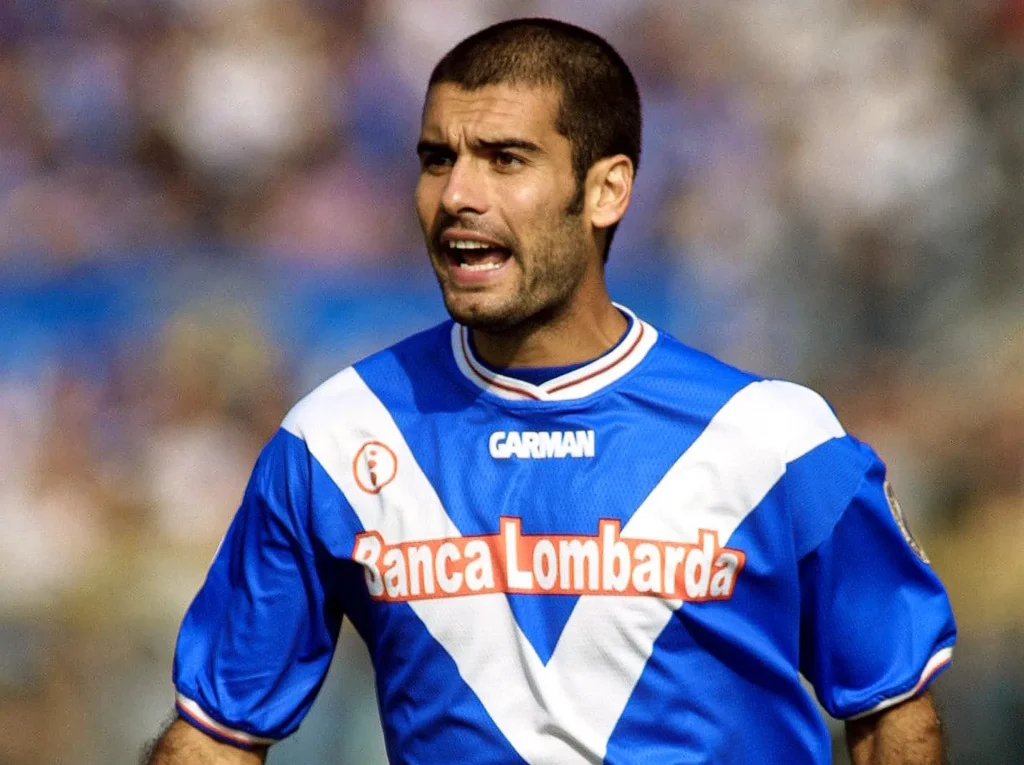
Pep Guardiola success formula is deeply tied to development, not just recruitment.
The Importance of Detail and Perfection
Pep Guardiola is famously obsessed with detail. Training sessions are not random; they are carefully engineered simulations of real match scenarios.
Every drill has purpose. Every movement is analyzed.
He often spends hours preparing for a single opponent.
His focus on detail includes:
- Opponent analysis
- Space exploitation strategies
- Passing angle optimization
- Set-piece organization
- Pressing triggers
This attention to detail is why Pep Guardiola teams rarely look unprepared.
The Human Side of Pep Guardiola
Despite his intense professional image, there is a human side to him that often gets overlooked.
He cares deeply about players’ well-being. He reflects emotionally after losses. He often speaks about pressure, burnout, and mental health in football.
This emotional intelligence is part of Pep Guardiola success formula that is rarely discussed.
He understands that footballers are not machines—they are people with emotions, fears, and ambitions.
BIO of Pep Guardiola
| Category | Details |
|---|---|
| Full Name | Josep Guardiola Sala |
| Date of Birth | January 18, 1971 |
| Age | 55 years (approx. in 2026) |
| Profession | Football Manager, Former Player |
| Nationality | Spanish |
| Net Worth (approx.) | $60–80 million |
| Notable Achievements | Multiple league titles, UEFA Champions League wins, historic treble with FC Barcelona, domestic dominance with Manchester City |
Why Pep Guardiola’s System Keeps Winning
The real question many fans ask is simple: why does Pep Guardiola keep winning everywhere he goes?
The answer lies in consistency of principles combined with flexibility of execution.
His teams don’t rely on luck. They rely on structure.
Core reasons for sustained success:
- Tactical evolution every season
- Strong recruitment alignment
- High football IQ players
- Clear identity across clubs
- Relentless pursuit of improvement
Pep Guardiola success formula is not about shortcuts. It’s about long-term excellence.
Criticism and Challenges
No system is perfect, and Pep Guardiola has faced criticism too.
Some argue that his style is too controlled. Others say it demands too much from players mentally and physically.
However, even critics often admit that his influence on modern football is undeniable.
The truth is, Pep Guardiola success formula comes with pressure, but also extraordinary results.
The Legacy of Pep Guardiola
When future generations study football evolution, Pep Guardiola will be a central figure.
His influence extends beyond trophies. He has changed how teams think, train, and play.
From grassroots football to elite clubs, his ideas have shaped an entire era.
And even today, Pep Guardiola continues to evolve, proving that greatness is not a destination—it is a process.
Conclusion
At its core, Pep Guardiola success formula is not just about tactics or systems. It is about a mindset of constant evolution, discipline, and deep understanding of the game.
He combines intelligence with emotion, structure with creativity, and discipline with trust.
Whether you are a football fan, coach, or analyst, studying Pep Guardiola offers more than lessons in sport—it offers lessons in leadership and excellence.
If there is one takeaway, it is this: success is not built overnight. It is built through detail, belief, and relentless improvement.