







Few experiences are more frightening than realizing someone you love has disappeared. The uncertainty is often harder to bear than having answers. Families are left wondering where to search, who to call, and what they should do next. Every passing hour can feel overwhelming, and the emotional toll can be enormous.
The phrase Missing Dead or Alive is commonly used when the fate of a missing person remains unknown. It reflects the painful reality that, until evidence provides answers, every possibility must be considered. While those words can sound harsh, they also highlight the importance of acting quickly, staying organized, and working closely with law enforcement and support organizations.
This guide explains what Missing Dead or Alive really means, how missing person investigations typically work, what families can do to help, and how communities play a vital role in bringing loved ones home. Whether you’re looking for information out of concern, curiosity, or personal experience, understanding the process can make a meaningful difference.
What Does “Missing Dead or Alive” Mean?
The phrase Missing Dead or Alive refers to a situation where a person’s whereabouts are unknown, and investigators have not determined whether the individual is alive or deceased. It is not a legal classification but rather a descriptive phrase that reflects uncertainty during an ongoing search.
Every missing person case is unique. Some individuals are found within hours, while others remain missing for months or even years. Until evidence points in a specific direction, investigators keep every reasonable possibility open.
Several situations may lead to someone being reported missing:
- They became lost during travel or outdoor activities.
- They left home unexpectedly without informing family.
- They experienced a medical emergency.
- They were victims of a crime.
- They disappeared following a natural disaster.
- They left voluntarily but lost communication.
Because every case differs, authorities avoid making assumptions too early.
Why the First 24 Hours Matter
Many people mistakenly believe they must wait 24 or 48 hours before reporting someone missing. That is not true in many places.
If someone is missing under unusual or concerning circumstances, reporting the disappearance immediately can improve the chances of locating them safely.
Early action allows investigators to:
- Collect fresh witness statements
- Review surveillance footage before it is erased
- Track digital activity
- Preserve physical evidence
- Coordinate search teams more effectively
Time is one of the most valuable resources in a Missing Dead or Alive investigation.
Understanding the Missing Person Investigation Process
Initial Report
The investigation begins once authorities receive a missing person report. Officers gather important information, including:
- Recent photographs
- Physical description
- Clothing worn
- Medical conditions
- Known habits
- Friends and relatives
- Last known location
- Vehicle information
The more accurate the information, the more effective the search becomes.
Evidence Collection
Investigators may examine:
- Cell phone records
- Financial transactions
- Security camera footage
- Vehicle movements
- Social media activity
- GPS information
- Witness interviews
Each piece of information helps build a timeline.
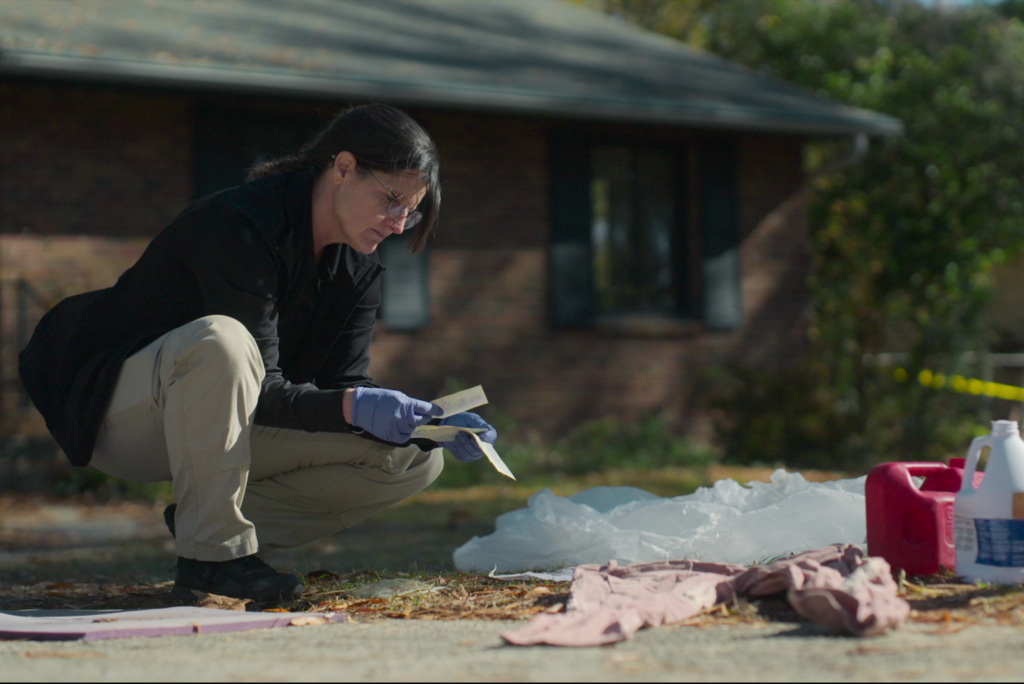
Search Operations
Depending on the circumstances, searches may involve:
- Ground search teams
- Search dogs
- Drones
- Helicopters
- Boats
- Volunteers
- Specialized rescue units
The search area often expands as new information becomes available.
Common Reasons People Go Missing
Although every case is different, there are several common reasons someone may disappear.
Voluntary Disappearance
Some adults choose to leave without informing family members due to personal reasons, financial stress, or emotional challenges.
Medical Conditions
People living with dementia, Alzheimer’s disease, autism, or mental health conditions may unintentionally wander away.
Accidents
Hiking, boating, mountain climbing, and road travel sometimes lead to accidents that delay rescue efforts.
Criminal Activity
Unfortunately, some Missing Dead or Alive investigations involve kidnapping, trafficking, or violent crimes.
Natural Disasters
Floods, earthquakes, hurricanes, and wildfires may separate families and interrupt communication.
Understanding these possibilities helps investigators prioritize resources without jumping to conclusions.
What Families Should Do Immediately
The hours after someone disappears are often filled with confusion. Having a simple plan can help.
Contact Law Enforcement
Report the disappearance immediately if you believe the person is in danger or missing unexpectedly.
Gather Recent Information
Collect:
- Recent photos
- Phone numbers
- Social media accounts
- Vehicle details
- Medical information
- Known routines
Contact Friends and Relatives
Sometimes the missing person may have visited someone unexpectedly.
Preserve Evidence
Avoid cleaning the person’s room or belongings until investigators advise otherwise.
Keep Detailed Notes
Maintain a written record of:
| Information | Why It Matters |
|---|---|
| Time last seen | Establishes the timeline |
| Witness names | Helps investigators |
| Phone calls | Tracks communication |
| Search locations | Prevents duplicate efforts |
| Officer contacts | Improves coordination |
Organization becomes especially valuable in a Missing Dead or Alive case.
The Emotional Impact on Families
Living with uncertainty creates emotional challenges unlike almost any other experience.
Family members often experience:
- Anxiety
- Fear
- Sleeplessness
- Depression
- Guilt
- Anger
- Emotional exhaustion
Some days bring hope. Others feel unbearable.
Many families describe the experience as living in emotional limbo because there are no clear answers.
Professional counseling and peer support groups can provide valuable emotional support during prolonged investigations.
How Communities Can Help
Communities often become an important part of successful searches.
People can assist by:
- Sharing verified information
- Reporting credible sightings
- Participating in organized search efforts
- Respecting family privacy
- Avoiding rumors
- Following official guidance
Responsible community involvement increases awareness without creating unnecessary confusion.
Social Media: Helpful but Powerful
Social media has transformed modern Missing Dead or Alive investigations.
A well-prepared post can reach thousands of people within minutes.
Helpful posts usually include:
- A clear recent photograph
- Date last seen
- Last known location
- Clothing description
- Contact information for authorities
However, misinformation spreads quickly online.
Families should avoid sharing:
- Unverified rumors
- Personal accusations
- False sightings
- Speculation
Accuracy remains more valuable than speed.
Challenges Investigators Face
Even experienced investigators encounter obstacles.
These may include:
Limited Evidence
Some disappearances leave almost no physical clues.
False Leads
Well-meaning tips sometimes consume valuable investigative time.
Weather
Rain, snow, or extreme heat can destroy evidence.
Large Search Areas
A person may travel much farther than initially expected.
Technology Limitations
Phones can be turned off, destroyed, or left behind.
Despite these challenges, investigators continue adapting search strategies as new evidence emerges.
Technology Is Changing Missing Person Investigations
Modern technology has significantly improved search efforts.
Today’s investigators may use:
- Drones with thermal imaging
- GPS tracking data
- Mobile phone analysis
- Artificial intelligence for image comparisons
- Geographic mapping software
- Facial recognition in certain circumstances
Technology does not replace traditional investigation, but it often helps narrow search areas faster.
Myths About Missing Person Cases
Many myths continue circulating despite being inaccurate.
You Must Wait 24 Hours
In many jurisdictions, this is false.
Adults Cannot Be Reported Missing
Adults can absolutely be reported missing if circumstances raise concern.
Every Missing Person Was Kidnapped
Many disappearances involve accidents, health issues, or voluntary absence.
Social Media Solves Every Case
Awareness helps, but professional investigations remain essential.
Understanding these myths helps families make informed decisions during a Missing Dead or Alive situation.
How to Support Someone With a Missing Loved One
If someone you know is experiencing this situation, your support matters.
Helpful actions include:
- Listening without judgment
- Preparing meals
- Helping organize information
- Assisting with childcare
- Running errands
- Offering transportation
- Respecting emotional boundaries
Sometimes simply being present provides enormous comfort.
Staying Hopeful While Remaining Realistic
Hope plays an important role throughout every Missing Dead or Alive investigation.
Many missing individuals are found alive after days, weeks, months, or even years.
At the same time, families often prepare emotionally for multiple possible outcomes. Investigators encourage balanced expectations while continuing every reasonable effort to locate the missing person.
Maintaining hope does not mean ignoring reality. Instead, it allows families to continue moving forward while supporting ongoing search efforts.
Practical Tips for Families
Here are several practical recommendations that can make the process more manageable.
Keep Everything Organized
Maintain one notebook containing:
- Investigator contacts
- Search updates
- Witness information
- Timeline
- Important dates
Choose One Family Spokesperson
Consistent communication reduces confusion.
Verify Information Before Sharing
False information can delay investigations.
Take Care of Yourself
Eat regular meals.
Sleep whenever possible.
Accept help from trusted friends.
Physical health supports emotional resilience.
Stay Connected
Lean on supportive family members, counselors, faith leaders, or community groups when needed.
Frequently Asked Questions
Is every Missing Dead or Alive case a crime?
No. Many missing person cases involve accidents, medical emergencies, or voluntary disappearances rather than criminal activity.
How long do investigations continue?
The length varies greatly. Some cases are resolved within hours, while others remain active for many years.
Can adults disappear voluntarily?
Yes. Adults generally have the legal right to leave voluntarily unless other circumstances indicate danger or criminal activity.
Does media attention always help?
Media coverage can increase public awareness, but it is most effective when the information shared is accurate and coordinated with investigators.
Why Awareness Matters
Every informed community becomes better prepared to respond when someone disappears.
Understanding the realities behind Missing Dead or Alive encourages faster reporting, stronger cooperation with investigators, and greater compassion for affected families. It also helps reduce harmful myths that can delay investigations or spread unnecessary fear.
Education cannot eliminate every missing person case, but it can improve public awareness and encourage responsible action when time matters most.
Conclusion
A Missing Dead or Alive case represents one of the most difficult situations a family can face. The uncertainty brings emotional pain, unanswered questions, and constant hope for resolution. Although every investigation follows a different path, acting quickly, staying organized, cooperating with authorities, and relying on trusted support systems can make a significant difference.
No guide can remove the emotional weight of not knowing where a loved one is. However, understanding how investigations work, recognizing common misconceptions, and knowing the practical steps to take can help families navigate an incredibly challenging time with greater confidence.
If you found this guide helpful, consider sharing it with others to raise awareness about missing person cases. Your knowledge may help someone respond more effectively when every moment counts. Feel free to leave a thoughtful comment and continue the conversation by sharing insights or experiences that could benefit others.