






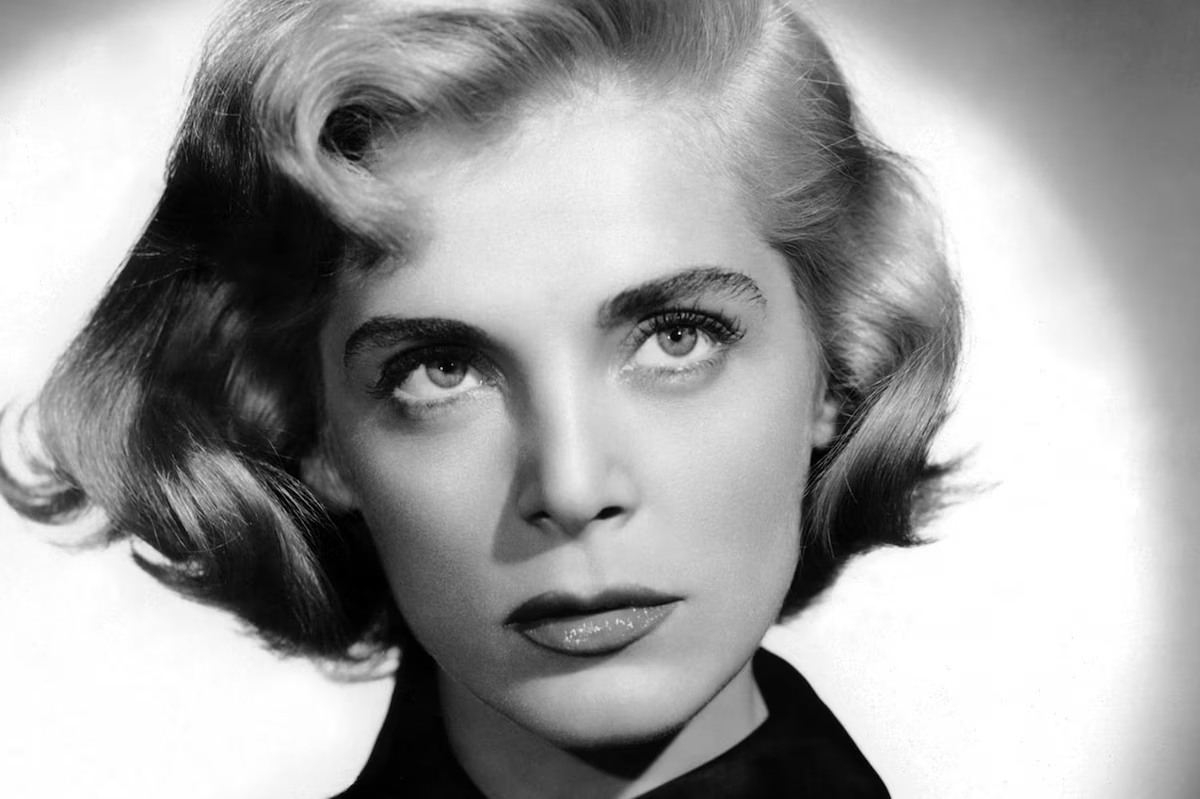
Hollywood has always been fascinated by stars who seem just out of reach, and Lizabeth Scott fits that description perfectly. With her smoky voice, striking screen presence, and an aura of mystery that followed her both on and off screen, she became one of the defining faces of film noir. When people talk about classic Hollywood beauty mixed with emotional depth, Lizabeth Scott often comes up as a name that still sparks curiosity.
What makes her story so interesting is not just the films she made, but the way she carried herself in an industry that constantly tried to define her. The journey of Lizabeth Scott is a blend of talent, resilience, and a career shaped by both success and struggle. In this Lizabeth Scott biography, we explore her early life, rise to fame, challenges, and lasting influence on cinema.
Early Life and Background
Before Hollywood fame, Lizabeth Scott was born in Scranton, Pennsylvania, in 1922. Her birth name was Emma Matzo, and she grew up in a working-class family. From an early age, she showed interest in performing arts, but her path to stardom was not straightforward.
She studied drama and speech, which later became crucial in shaping her distinctive voice—one of her most recognizable traits. Many fans of Lizabeth Scott often point out that her voice alone could carry emotional weight, even in the simplest dialogue.
Unlike many Hollywood stars who were discovered overnight, her journey involved persistence, training, and gradual progress. This early foundation helped Lizabeth Scott build the confidence needed to enter a highly competitive industry.
Hollywood Rise: From Unknown to Leading Lady
The rise of Lizabeth Scott in Hollywood began in the mid-1940s. She initially worked in theater before being noticed for her screen potential. Her resemblance to Lauren Bacall in style and voice even earned her comparisons, though she eventually carved her own identity.
Her early screen test impressed studio executives, leading her into contract work. Soon, Lizabeth Scott transitioned from small roles to leading lady status in film noir productions.
Breakthrough Moments
Some of the early turning points in Lizabeth Scott’s career include:
- Strong supporting roles that highlighted her emotional depth
- Her casting in dramatic noir films that suited her voice and expression
- Rapid recognition as a “mystery woman” archetype in Hollywood
As her career progressed, Lizabeth Scott became associated with intense emotional performances and morally complex characters.
Lizabeth Scott and the Golden Age of Film Noir
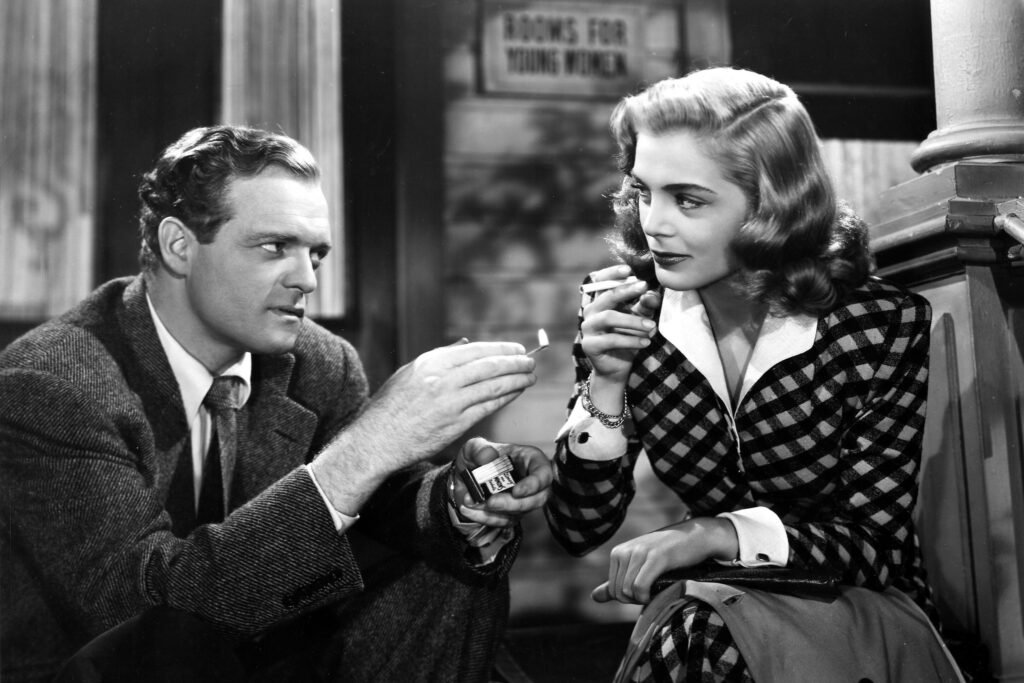
The golden age of film noir was where Lizabeth Scott truly found her identity. She became known for playing strong yet vulnerable women, often caught in emotional or criminally complex situations.
Iconic Film Presence
In many of her roles, Lizabeth Scott portrayed characters who were:
- Emotionally conflicted
- Mysterious and independent
- Trapped in morally grey relationships
- Strong yet emotionally fragile
This combination made her stand out in a crowded Hollywood era.
Acting Style and Screen Persona
One of the most defining traits of Lizabeth Scott was her voice. Deep, smooth, and slightly husky, it became her signature. Directors often built entire scenes around her dialogue delivery.
Her acting style was subtle rather than theatrical. Instead of exaggerated expressions, Lizabeth Scott relied on controlled emotion, silence, and tone. This made her particularly effective in noir storytelling, where tension often lies beneath the surface.
Many film historians still consider Lizabeth Scott a perfect example of understated performance in classic cinema.
Career Challenges and Public Image
While Lizabeth Scott enjoyed fame, her career was not without challenges. Like many Hollywood actresses of her time, she faced intense media scrutiny.
Media Pressure and Legal Battles
During her career, Lizabeth Scott was occasionally the subject of gossip columns and rumors. At one point, she was involved in legal disputes related to defamation from media outlets. These incidents affected her public image but also highlighted her determination to protect her privacy.
Despite the pressure, Lizabeth Scott maintained a strong sense of independence. She rarely allowed public controversy to define her professionally.
Industry Limitations
Another challenge for Lizabeth Scott was typecasting. Hollywood often placed her in similar noir roles, limiting the diversity of characters she could explore. While this helped define her brand, it also restricted her artistic range.
However, even within these limitations, Lizabeth Scott managed to deliver memorable performances that remain influential today.
Later Career and Gradual Step Back
As film noir declined in popularity, so did the frequency of roles offered to Lizabeth Scott. By the late 1950s and 1960s, she appeared in fewer films.
Instead of forcing her presence in an evolving industry, Lizabeth Scott gradually stepped away from Hollywood. She chose a quieter life, focusing on privacy rather than public appearances.
This transition marked the end of an era, but not the end of her legacy. Even after leaving the screen, Lizabeth Scott continued to be remembered through film retrospectives and classic cinema discussions.
Personal Life of Lizabeth Scott
The personal life of Lizabeth Scott has always intrigued fans. However, she was known for being extremely private.
She never fully embraced Hollywood’s publicity culture and preferred to keep her relationships and personal affairs away from the spotlight. This privacy added to her mysterious image, reinforcing the persona that Lizabeth Scott already had on screen.
Unlike many celebrities of her era, she did not frequently engage in public interviews or personal disclosures. This only deepened the fascination around Lizabeth Scott as both an actress and an individual.
BIO: Lizabeth Scott at a Glance
| Category | Details |
|---|---|
| Full Name | Emma Matzo (Stage Name: Lizabeth Scott) |
| Date of Birth | September 29, 1922 |
| Age | 92 (at time of death in 2015) |
| Profession | Actress |
| Nationality | American |
| Net Worth (approx.) | Not publicly disclosed |
| Notable Works / Achievements | Film noir classics, leading lady in 1940s–1950s Hollywood cinema |
Legacy of Lizabeth Scott in Hollywood
The legacy of Lizabeth Scott continues to influence film lovers and historians alike. She remains a symbol of classic Hollywood elegance and film noir storytelling.
Why Lizabeth Scott Still Matters Today
Even decades after her peak, Lizabeth Scott is remembered for several reasons:
- She defined the femme fatale archetype in film noir
- Her voice became one of the most recognizable in classic cinema
- She brought emotional depth to morally complex characters
- She maintained dignity and privacy in a highly public industry
Modern audiences rediscovering classic films often find Lizabeth Scott surprisingly modern in her acting approach. Her restrained style feels more aligned with contemporary acting than exaggerated performances of her era.
Influence on Modern Cinema
Many modern actresses and filmmakers still draw inspiration from Lizabeth Scott. Her ability to express emotion subtly has influenced character design in neo-noir films and psychological dramas.
Film schools and critics often study Lizabeth Scott as an example of how presence and voice can define a screen persona as strongly as dialogue or action.
Final Thoughts
The Enduring Story of Lizabeth Scott
The story of Lizabeth Scott is not just about Hollywood fame—it is about identity, resilience, and artistic control. She built a career in an era that often limited women’s roles, yet she managed to leave a distinct and lasting mark.
Even today, discussions about classic cinema often return to Lizabeth Scott as a symbol of elegance and emotional complexity. Her performances continue to resonate with audiences who appreciate subtle storytelling and atmospheric film design.
In many ways, Lizabeth Scott represents a timeless chapter in Hollywood history—one that reminds us that true screen presence does not fade with time.
If there is one takeaway from her life and career, it is this: Lizabeth Scott was not just a star of her time; she remains a lasting figure in the story of cinema itself.