






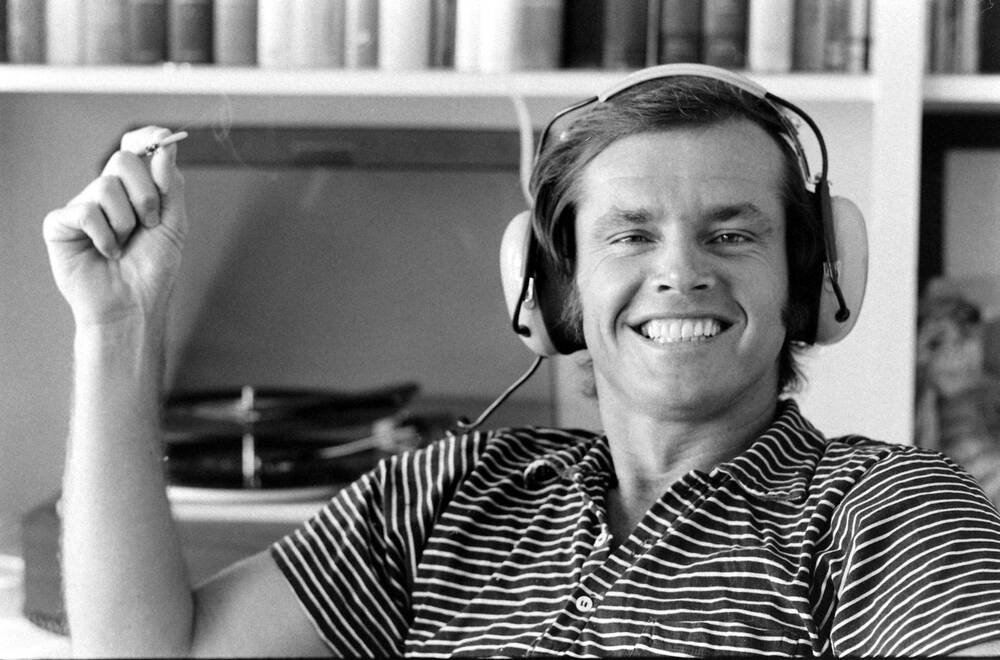
From the moment he appeared on screen, there was something different—something unpredictable, intense, and almost dangerous about him. Audiences didn’t just watch Jack Nicholson act; they felt him. He brought a raw emotional honesty that Hollywood had rarely seen before, and in doing so, he reshaped what it meant to be a leading man.
What makes his legacy so fascinating is not just the number of films he made, but the way he changed expectations. Before Jack Nicholson, acting often followed clear rules. After him, those rules were broken, rebuilt, and redefined.
The early rise of Jack Nicholson
Before becoming a global icon, Jack Nicholson started with small, almost unnoticed roles in low-budget productions. Like many great actors, his journey was not instant fame but gradual recognition.
The grind before fame
In the early years, Jack Nicholson worked in:
- Low-budget horror films
- Independent drama projects
- Minor supporting roles in studio productions
- Experimental cinema of the 1960s
These experiences gave him something crucial: creative freedom. He learned how to push boundaries, and more importantly, how to make even the smallest role memorable.
By the time Hollywood began to notice Jack Nicholson, he already had a unique screen identity forming.
Breakthrough and the moment everything changed
The turning point in Jack Nicholson’s career came when he began landing more serious, complex roles in the late 1960s and early 1970s.
Films like Easy Rider introduced audiences to a completely new type of character—rebellious, layered, unpredictable. This was not the clean-cut Hollywood hero of earlier decades.
Instead, Jack Nicholson brought:
- Emotional instability portrayed with realism
- Anti-hero characters with depth
- Naturalistic dialogue delivery
- A sense of unpredictability in every scene
Suddenly, Hollywood realized that audiences were ready for something different.
The acting style that changed Hollywood
One of the most important contributions of Jack Nicholson is his acting style. It didn’t follow strict method acting rules, nor did it stay within traditional studio expectations.
Instead, his style combined instinct, emotion, and spontaneity.
Key traits of his performance style
- Expressive facial reactions that became iconic
- Sudden emotional shifts within scenes
- A balance between charm and menace
- Strong improvisational instincts
- Deep psychological understanding of characters
Because of this, Jack Nicholson didn’t just play characters—he inhabited them.
The power of unpredictability
One of the reasons Jack Nicholson changed acting forever is unpredictability. You never knew what he would do next on screen, and neither did his co-stars.
This unpredictability created tension that made scenes more powerful.
Directors often said that working with Jack Nicholson meant expecting surprises:
- Dialogue delivered in unexpected ways
- Facial expressions that shifted tone instantly
- Improvised gestures that changed the mood of a scene
- Emotional intensity that felt real and raw
This made him one of the most exciting actors in Hollywood history.
Iconic performances that shaped cinema
To understand the impact of Jack Nicholson, you have to look at his most iconic roles. Each one contributed something new to film history.
Major career-defining films
Some of his most important works include:
- One Flew Over the Cuckoo’s Nest
- The Shining
- Chinatown
- Batman (1989)
- A Few Good Men
- As Good as It Gets
Each performance showed a different side of Jack Nicholson, from chaotic energy to controlled intensity.
Jack Nicholson and the anti-hero revolution
Before the 1970s, Hollywood heroes were usually clean, moral, and predictable. Then came Jack Nicholson, who helped redefine the concept of a protagonist.
The rise of the flawed hero
With his performances, Jack Nicholson introduced:
- Characters with moral ambiguity
- Emotional instability as a narrative strength
- Realistic psychological depth
- Human flaws that audiences could relate to
This shift influenced an entire generation of filmmakers and actors.

Collaboration with legendary directors
Another key part of Jack Nicholson’s impact comes from his collaborations with some of Hollywood’s greatest directors.
He worked with:
- Stanley Kubrick
- Martin Scorsese
- Roman Polanski
- Milos Forman
These collaborations allowed Jack Nicholson to explore complex roles that pushed artistic boundaries.
For example, in The Shining, Kubrick used Nicholson’s intensity to create one of the most iconic horror performances in film history.
The charisma factor
What sets Jack Nicholson apart is not only his acting skill but his natural charisma. Even when playing villains or unstable characters, he remained magnetic.
Elements of his charisma
- Distinctive voice and tone
- Expressive eyebrows and facial movements
- Confident screen presence
- Ability to dominate every scene
Audiences were drawn to him, even when his characters were difficult or disturbing.
Cultural impact on Hollywood
The influence of Jack Nicholson extends far beyond his filmography. He changed how Hollywood approaches casting, character development, and performance expectations.
His lasting influence includes:
- Encouraging more complex male roles
- Opening doors for darker, more realistic storytelling
- Inspiring actors to take creative risks
- Changing audience expectations of leading men
Many modern actors still study Jack Nicholson’s performances to understand emotional depth and screen presence.
Awards and recognition
Throughout his career, Jack Nicholson received numerous awards, including multiple Academy Awards. But more important than awards is his long-lasting influence on cinema culture.
Key achievements
- Multiple Oscar wins and nominations
- Golden Globe Awards
- Lifetime achievement recognition
- Iconic status in global cinema history
These awards confirm what audiences already knew: Jack Nicholson is one of the greatest actors of all time.
Table: Jack Nicholson biography overview
| Category | Details |
|---|---|
| Full Name | John Joseph Nicholson |
| Date of Birth | April 22, 1937 |
| Age | 88 (approx.) |
| Profession | Actor, Director, Producer |
| Nationality | American |
| Net Worth (approx.) | Estimated $400M+ |
| Notable Works | The Shining, Chinatown, Batman, One Flew Over the Cuckoo’s Nest |
Why Jack Nicholson remains timeless
Even decades after his most famous roles, Jack Nicholson remains relevant. His performances continue to be studied, analyzed, and admired.
Reasons for his lasting legacy
- Timeless acting style
- Emotionally powerful performances
- Unique blend of chaos and control
- Influence on modern Hollywood storytelling
Unlike many stars, Jack Nicholson didn’t fade with time—he became a reference point for excellence.
The evolution of modern acting because of Jack Nicholson
Modern cinema is filled with complex characters, morally ambiguous heroes, and emotionally layered storytelling. Much of this evolution can be traced back to Jack Nicholson.
Without his influence, Hollywood might still rely on simpler character archetypes.
He helped shift the industry toward:
- Psychological realism
- Emotional complexity
- Character-driven storytelling
- Greater artistic freedom for actors
Conclusion
A legacy that reshaped cinema
The story of Jack Nicholson is not just about fame or success. It is about transformation—of acting, of storytelling, and of Hollywood itself.
He didn’t just play roles; he redefined them. His influence can be seen in countless films, performances, and actors who followed in his footsteps.
Even today, when people talk about great performances, Jack Nicholson is always part of the conversation.