






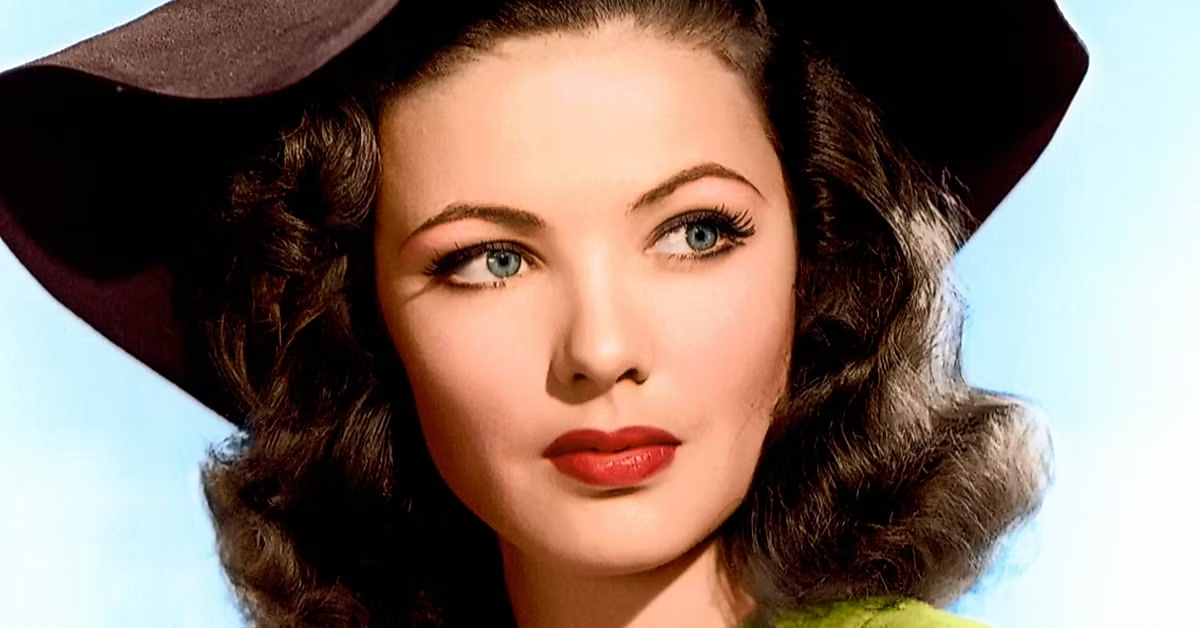
There are Hollywood legends, and then there is Gene Tierney—a name that still carries a quiet kind of elegance decades after her final film. Even today, classic film lovers speak of her as if she never left the screen. There’s something almost poetic about her presence in cinema history. She wasn’t just beautiful; she had a depth that made her performances linger in the mind long after the credits rolled.
When people revisit old Hollywood, Gene Tierney often stands out as one of the most emotionally complex actresses of her time. Her life was not a smooth Hollywood fairy tale. Instead, it was layered with success, heartbreak, mental health struggles, and resilience. And perhaps that is exactly what makes her legacy feel so human.
This article takes a deep look at Gene Tierney, her rise to fame, her most iconic roles, and why her influence still matters in modern cinema.
Gene Tierney BIO (Quick Overview)
| Category | Details |
|---|---|
| Full Name | Gene Eliza Tierney |
| Date of Birth | November 19, 1920 |
| Age | Deceased (aged 70) |
| Profession | Actress |
| Nationality | American |
| Net Worth (approx.) | Estimated modest estate (classic Hollywood era earnings) |
| Notable Works / Achievements | Laura (1944), Leave Her to Heaven (1945), The Ghost and Mrs. Muir (1947) |
Early Life of Gene Tierney: Before the Fame
Before Gene Tierney became a household name in Hollywood, she grew up in Brooklyn, New York. She came from a well-off family, which allowed her access to strong education and cultural exposure. However, her early life wasn’t entirely carefree.
She studied in Switzerland for a time, becoming fluent in French, which later added to her sophisticated screen persona. People often forget that Gene Tierney was not only talented in acting but also highly educated and intellectually curious.
Her entry into the entertainment world began with modeling and stage work. Even in her early appearances, casting directors noticed something different about her—she wasn’t loud or overly expressive, but she had a quiet emotional pull that camera lenses loved.
That subtle quality would later define much of Gene Tierney’s screen identity.
Hollywood Discovery and Rise to Fame
The Studio System and Her Breakthrough
In the early 1940s, Hollywood was ruled by studios, and actors were often shaped into stars. Gene Tierney signed with 20th Century Fox, and it didn’t take long before she started landing significant roles.
Her breakthrough came with films like The Shanghai Gesture and Son of Fury, but it was Laura (1944) that changed everything.
In Laura, Gene Tierney played a woman believed to be dead, whose mysterious presence dominates the entire film. Interestingly, she appears in person relatively late in the story, yet her influence is felt throughout.
That performance made Gene Tierney a star almost overnight.
Why Hollywood Loved Gene Tierney
Studios saw her as the perfect blend of elegance and emotional depth. She was:
- Naturally sophisticated on screen
- Able to portray vulnerability without exaggeration
- Photogenic in both dramatic and romantic roles
- Versatile across genres like noir, romance, and psychological drama
However, what made Gene Tierney truly special was her ability to suggest emotion rather than overplay it. In today’s terms, we might call it “minimalist acting,” but back then, it was rare.
Iconic Films That Defined Gene Tierney
Laura (1944)
This film remains one of the defining works of Gene Tierney. It is a classic noir mystery that revolves around obsession, identity, and illusion. Even today, critics praise its atmosphere and storytelling.
Leave Her to Heaven (1945)
If Laura made her famous, Leave Her to Heaven made her unforgettable. In this Technicolor psychological drama, Gene Tierney plays a possessive and emotionally intense woman. It was a bold role that challenged the typical female character expectations of the time.
Her performance was chilling yet fascinating. Many film historians still consider it one of the most layered portrayals in classic Hollywood cinema.
The Ghost and Mrs. Muir (1947)
This film shows a softer side of Gene Tierney. It tells the story of a widow who falls in love with a ghost. The emotional tone is quiet, reflective, and deeply romantic.
Audiences saw a different dimension of her talent here—gentle, emotional, and deeply human.
Other Notable Works
- Heaven Can Wait (1943)
- The Razor’s Edge (1946)
- Night and the City (1950)
Each of these films added another layer to Gene Tierney’s artistic identity.
Personal Struggles Behind the Screen
While Hollywood celebrated Gene Tierney, her personal life told a different story. She faced emotional struggles, particularly related to mental health, after experiencing a deeply traumatic personal event during the 1940s.
At a time when mental health was poorly understood, she was often misunderstood by the public. Yet she continued working, even when it was difficult.
This resilience is one reason modern audiences now view Gene Tierney with even greater respect. She wasn’t just a glamorous actress; she was a woman navigating intense personal challenges while maintaining a demanding career.
Her story highlights an important truth: fame does not shield anyone from hardship.
Acting Style and Screen Presence
Subtle but Powerful
The acting style of Gene Tierney was not loud or theatrical. Instead, it was subtle. She used expressions, pauses, and body language to communicate emotion.
Emotional Depth
Even in simple scenes, Gene Tierney could convey sadness, longing, or tension without speaking much. This made her performances feel natural and believable.
Why Modern Actors Study Her
Today, film students and actors still study Gene Tierney because:
- She mastered emotional restraint
- She created depth with minimal dialogue
- She balanced glamour with realism
- She brought psychological complexity to her roles
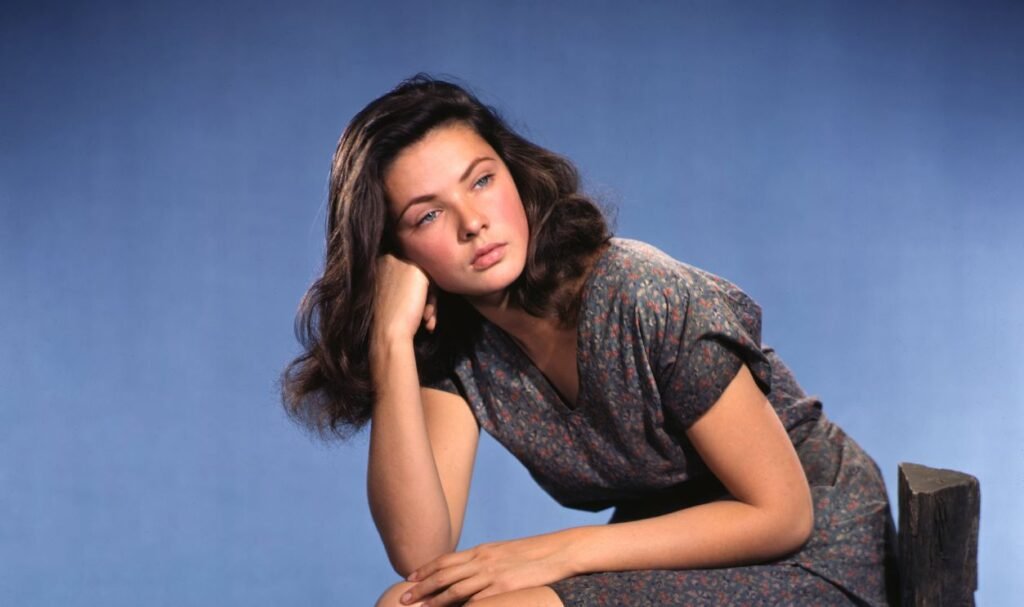
Gene Tierney and Hollywood’s Golden Age
The Golden Age of Hollywood produced many stars, but Gene Tierney stands apart because she didn’t fit into a single category. She was not just a romantic lead or a dramatic actress—she was both, and more.
Her presence helped define what audiences now associate with classic cinema elegance. In many ways, Gene Tierney represented the emotional sophistication of her era.
Hollywood at that time was heavily stylized, yet she always brought a sense of authenticity to her roles.
Later Years and Life After Fame
As the years passed, Gene Tierney stepped back from acting. Her appearances became less frequent, but her legacy only grew stronger.
She lived a quieter life away from Hollywood spotlight, focusing on personal well-being and family. Unlike many stars of her era, she did not chase constant publicity.
Even in her later years, admiration for Gene Tierney continued through film retrospectives and classic cinema broadcasts.
Legacy: Why Gene Tierney Still Matters Today
The legacy of Gene Tierney is not just about the films she made, but the emotional imprint she left on cinema.
Lasting Influence
Modern filmmakers still reference her work when discussing:
- Psychological storytelling
- Female complexity in film
- Classic noir aesthetics
- Emotional subtlety in acting
Timeless Appeal
Even decades later, Gene Tierney continues to attract new audiences. Her films are frequently rediscovered by younger generations who appreciate classic cinema’s depth.
Cultural Impact
She remains a symbol of elegance, strength, and emotional realism in Hollywood history.
Key Reasons Gene Tierney Remains Iconic
- Her performances were emotionally layered
- She balanced beauty with intelligence on screen
- She starred in timeless classics
- She overcame personal struggles with resilience
- Her work still influences cinema today
Conclusion
A Star Written Into Film History
The story of Gene Tierney is not just a Hollywood biography—it is a portrait of talent, resilience, and emotional depth. She lived through the brightest lights of fame and some of its darkest shadows, yet her legacy continues to shine.
When we look back at classic cinema, Gene Tierney stands as one of those rare figures who feels timeless. Her films still speak, her performances still resonate, and her presence still lingers in film history.
And maybe that is the true measure of a lasting legacy—not how loudly a star shines in their time, but how long their light continues to be felt afterward.
If you have ever watched a Gene Tierney film, you already know: she was not just acting—she was leaving behind something unforgettable.