






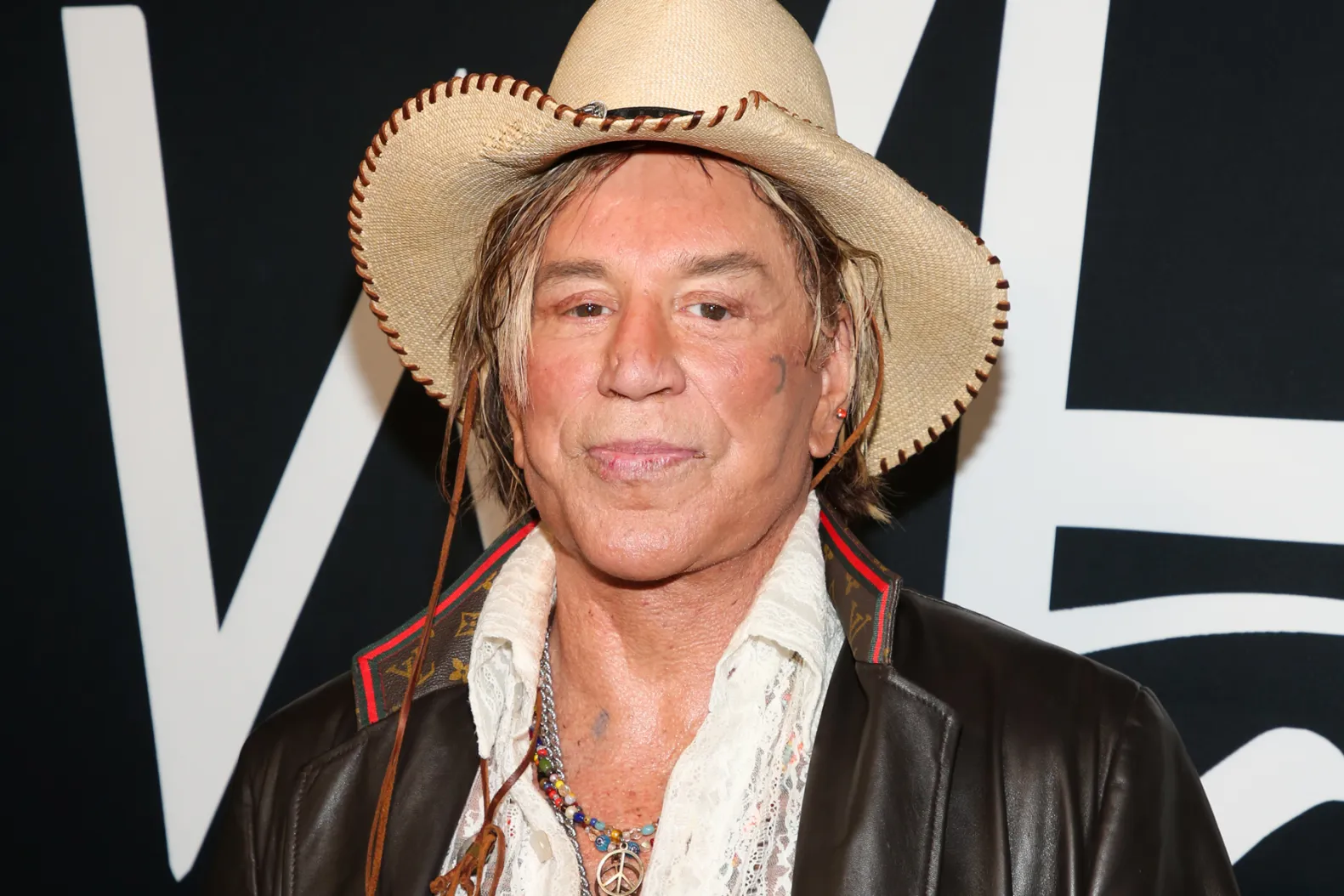
Some Hollywood stories feel almost scripted, but the life of Mickey Rourke reads more like a raw, unpredictable screenplay that no studio would dare approve without edits. His journey is not just about fame; it is about transformation, collapse, reinvention, and persistence against odds that would have ended most careers long before the credits rolled.
What makes Mickey Rourke so compelling is not only his talent, but the contrast in his identity. One moment he is a rising screen presence in the 1980s, the next he is stepping into boxing rings, and later, almost miraculously, he returns to Hollywood in a career-defining comeback.
This is not a simple success story. It is a story of ambition, self-destruction, resilience, and redemption. And it all begins with a young man who once believed boxing might be his only future.
Early life and the making of a fighter
Before Hollywood ever called his name, Mickey Rourke was already used to discipline, pain, and physical struggle. Growing up in a challenging environment shaped his personality in ways that would later define both his acting and his boxing career.
He was not the typical aspiring actor. Instead, he gravitated toward boxing gyms, where structure replaced chaos and training replaced uncertainty.
Key early influences:
- Exposure to boxing culture at a young age
- Strong competitive personality
- Interest in physical performance and discipline
- Early struggles with identity and direction
- A desire to prove himself through toughness
Even before acting, Mickey Rourke was building the foundation of a fighter’s mindset—something that would never fully leave him, even in Hollywood.
The unexpected transition into acting
The shift from boxing to acting was not planned. Like many of the most interesting career changes, it happened almost by accident. A friend encouraged him to try acting, and soon he found himself drawn to the emotional intensity of performance.
What surprised many directors was how naturally Mickey Rourke fit into dramatic roles. He didn’t act in a polished or traditional way; instead, he brought raw emotion and unpredictability.
Early acting characteristics:
- Natural emotional intensity
- Unpolished but magnetic screen presence
- Strong improvisational instincts
- Ability to portray vulnerability and toughness
- Distinctive, unconventional acting style
Hollywood quickly noticed that Mickey Rourke was not just another actor—he was different in a way that was hard to define but impossible to ignore.
Rise to fame in the 1980s
The 1980s marked the golden rise of Mickey Rourke. During this decade, he became one of the most talked-about actors in Hollywood. His performances carried emotional weight and complexity that set him apart from many of his peers.
He gained attention for roles in films that explored dark, emotional, and often morally complex characters.
Why he stood out:
- Intense dramatic performances
- Strong screen charisma
- Collaboration with respected directors
- Roles in critically discussed films
- Unique mix of masculinity and vulnerability
At this point, Mickey Rourke was not just rising—he was becoming a symbol of a new kind of Hollywood actor: raw, emotional, and unpredictable.
The turning point: boxing returns
Despite his success, something changed. At the height of his career, Mickey Rourke made a decision that shocked Hollywood: he stepped away from acting and returned to professional boxing.
This was not a casual hobby. It was serious competition, and it came with real consequences.
Reasons behind his boxing return:
- Desire for authenticity and physical challenge
- Frustration with Hollywood system
- Personal identity struggles
- Attraction to discipline and control
- Need to escape fame pressure
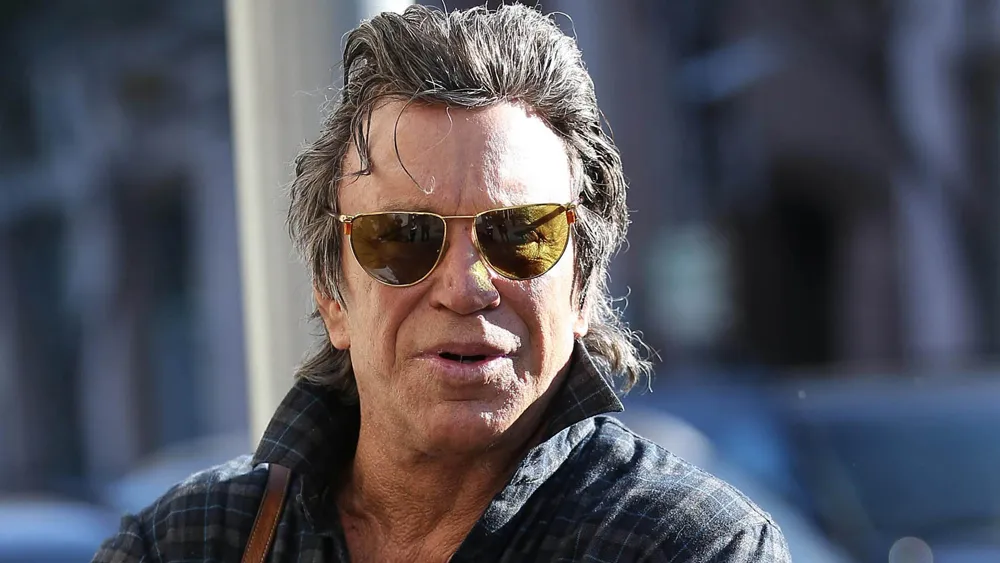
However, boxing came at a cost. Injuries, particularly facial damage, permanently altered his appearance and affected future casting opportunities.
This phase became one of the most defining and controversial chapters in Mickey Rourke’s life.
The fall from Hollywood
After stepping away from acting and sustaining injuries, Mickey Rourke experienced a difficult period in his career. Roles became scarce, and his earlier momentum faded.
Hollywood can be unforgiving, and reinvention is not always guaranteed.
Challenges he faced:
- Reduced acting opportunities
- Typecasting limitations
- Physical transformation impacting roles
- Personal struggles and public scrutiny
- Financial and professional instability
For many observers, it seemed like the end of Mickey Rourke’s Hollywood journey. But what came next would prove otherwise.
The comeback: a second life in film
Few Hollywood comebacks are as powerful as the return of Mickey Rourke in the 2000s. Against expectations, he re-emerged with performances that reminded audiences of his original brilliance.
His comeback was not just about returning—it was about redefining himself.
Key elements of his return:
- Emotionally powerful performances
- Critical recognition in major films
- Rebuilding industry respect
- Mature, reflective acting style
- Strong audience response
This phase showed that Mickey Rourke was not finished. In fact, he had evolved into something deeper—an actor shaped by real-life experience, loss, and resilience.
Career highlights and major roles
Over the years, Mickey Rourke built a diverse filmography that reflects both his talent and his unpredictable career path.
Notable themes in his work:
- Complex anti-heroes
- Emotionally damaged characters
- Intense dramatic storytelling
- Physically demanding roles
- Noir-inspired performances
His most recognized works span multiple decades and genres, showing just how adaptable he remained despite career interruptions.
BIO: Mickey Rourke profile
| Category | Details |
|---|---|
| Full Name | Philip Andre Rourke Jr. |
| Date of Birth | September 16, 1952 |
| Age | 70+ |
| Profession | Actor, Former Professional Boxer |
| Nationality | American |
| Net Worth (approx.) | Estimated multi-million USD |
| Notable Works / Achievements | Academy Award-nominated performances, major Hollywood comeback roles, boxing career |
Acting style and artistic identity
What makes Mickey Rourke especially interesting as an actor is his approach to performance. He does not rely solely on technique; instead, he brings lived experience into every role.
His acting identity includes:
- Emotional realism
- Physical authenticity
- Unpredictable delivery
- Deep character immersion
- Naturalistic performance style
This makes his work feel less like acting and more like lived reality.
Legacy in Hollywood
The legacy of Mickey Rourke is complex, layered, and deeply human. He is not just remembered for success, but for transformation, mistakes, and recovery.
His impact includes:
- Inspiring comeback narratives in Hollywood
- Blending sports discipline with acting craft
- Influencing gritty, emotional film performances
- Challenging traditional Hollywood career paths
- Showing the power of reinvention
In many ways, Mickey Rourke represents the idea that careers are not linear—they are cyclical, unpredictable, and deeply personal.
Conclusion
A story of resilience and reinvention
The journey of Mickey Rourke is not just about fame or boxing or Hollywood success. It is about persistence in the face of change. Few actors have experienced both extreme success and dramatic decline, only to return again with renewed strength.
From fighter to film star, from fame to obscurity, and back again, Mickey Rourke remains one of Hollywood’s most compelling figures.