






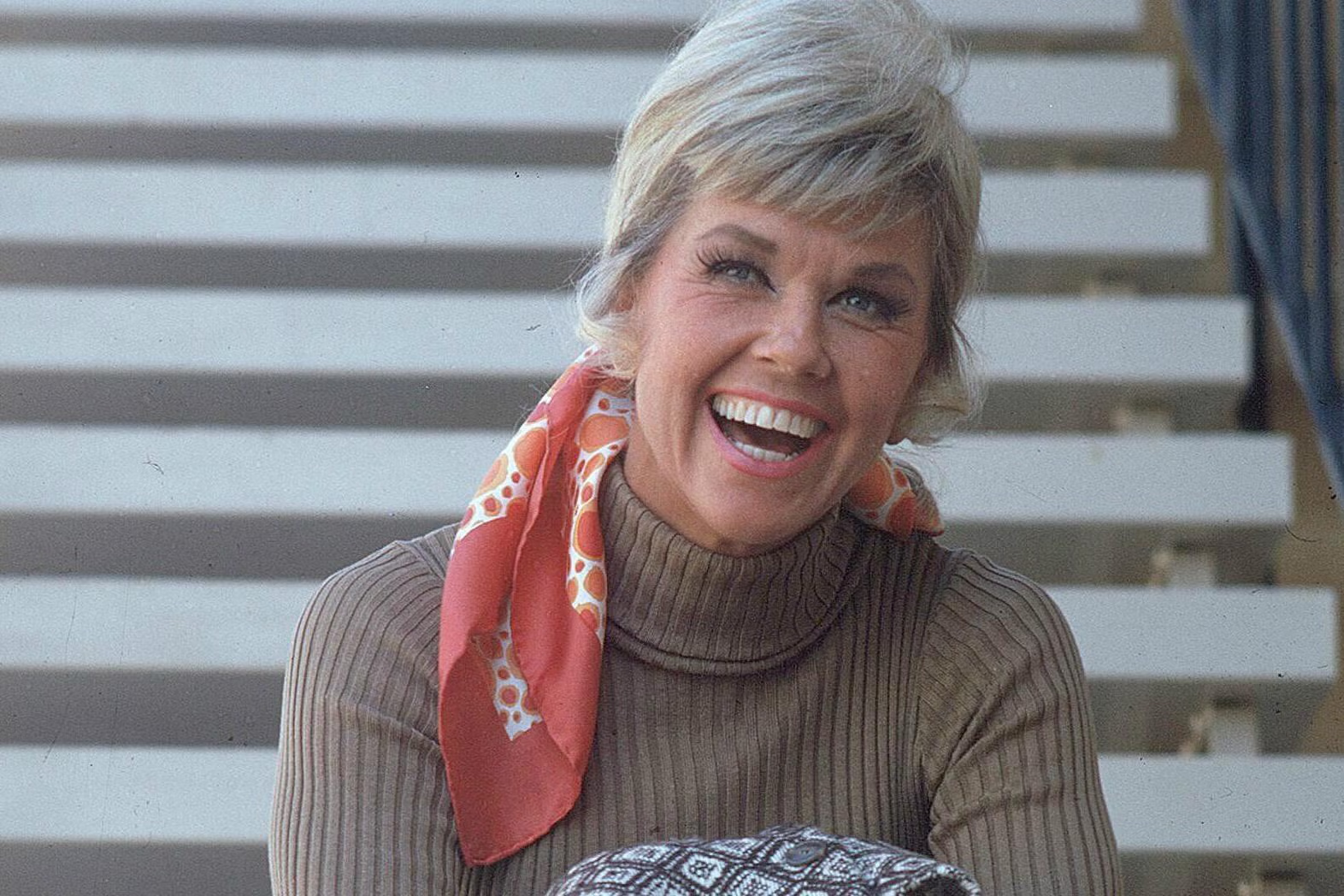
There are few names in classic Hollywood that still feel as warm and familiar as Doris Day. Even decades after her peak fame, the voice, smile, and screen presence of Doris Day continue to echo through film history and popular culture. She wasn’t just an actress or singer; she was a symbol of optimism during a rapidly changing entertainment era.
When people talk about golden age cinema, Doris Day almost always enters the conversation. Her films carried a lightness that felt comforting, yet her career journey was anything but simple. The story of Doris Day is filled with resilience, reinvention, and unexpected turns that shaped her into one of the most beloved stars of the 20th century.
In this Doris Day biography, we explore her career, personal struggles, achievements, and the lasting impact she left behind. Along the way, we’ll see why Doris Day remains relevant even in today’s fast-moving entertainment landscape.
Early Life and Background of Doris Day
Doris Day was born in Cincinnati, Ohio, where she developed an early love for music and performance. From a young age, she showed talent in singing, dancing, and expressing emotion through performance. This natural ability would later become the foundation of her Hollywood success.
Growing up during the Great Depression shaped her personality. Hardship taught her discipline, humility, and emotional strength. These qualities later became central themes in many Doris Day movies, where she often portrayed resilient yet graceful women.
Key early influences in her life included:
- Big band music culture
- Radio performances
- Jazz and swing era sounds
- Family support for music education
- Local dance and vocal training programs
These early experiences laid the foundation for what would become a legendary entertainment career.
Doris Day Biography: Rise to Stardom
The rise of Doris Day did not happen overnight. She initially entered the entertainment world as a singer with big bands, particularly working with bandleader Les Brown. Her breakout hit “Sentimental Journey” became an anthem of hope after World War II.
This song alone pushed Doris Day into national recognition. Her warm vocal tone and emotional clarity made her stand out among many singers of the era.
Soon after, Hollywood came calling.
Transition from Music to Film
Hollywood producers quickly realized that Doris Day had something special. She wasn’t just a singer; she had natural screen presence. Her transition into acting felt effortless, even though she initially had no formal acting background.
Her early films helped establish her as:
- A romantic comedy star
- A musical film performer
- A wholesome Hollywood image icon
- A leading lady with emotional depth
This phase of Doris Day biography marks the beginning of her transformation into a global star.
Hollywood Career Highlights of Doris Day
The film career of Doris Day spanned several decades, and she became one of the highest-paid actresses of her time. She starred in romantic comedies, dramas, and musicals that defined mid-century cinema.
Major Doris Day Movies
Some of her most iconic films include:
- Pillow Talk
- Calamity Jane
- Love Me or Leave Me
- The Man Who Knew Too Much
- Send Me No Flowers
- That Touch of Mink
Each of these Doris Day movies contributed to her reputation as a versatile and charismatic performer.
Acting Style and Appeal
What made Doris Day unique was her ability to balance innocence with strength. She often portrayed independent women who could handle emotional complexity while maintaining charm and humor.
Her acting strengths included:
- Natural comedic timing
- Emotional authenticity
- Strong on-screen chemistry with co-stars
- Expressive vocal performance
- Relatable character portrayal
This combination made Doris Day a household name in both the United States and abroad.
Doris Day as a Music Icon
Before her Hollywood fame, and even during it, Doris Day maintained a successful music career. Her voice was soft, clear, and emotionally rich.
Popular Doris Day songs include:
- Que Sera Sera
- Secret Love
- Sentimental Journey
- Dream a Little Dream of Me
- Perhaps, Perhaps, Perhaps
These songs remain timeless classics, frequently played in films, advertisements, and retro playlists.
The song “Que Sera Sera” became especially iconic and is still closely associated with Doris Day today.
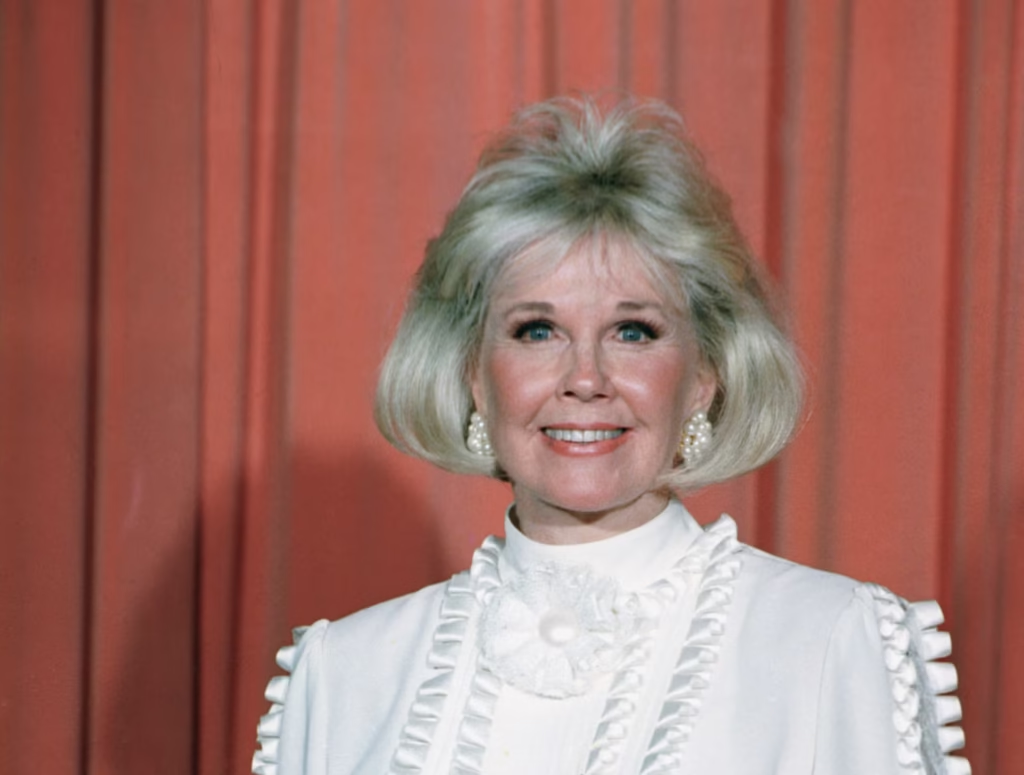
Personal Life and Challenges
Behind the glamorous image, Doris Day experienced personal struggles that shaped her outlook on life. She faced difficult relationships, financial issues, and emotional setbacks.
Despite these challenges, she remained focused on her career and later on her love for animals.
Important aspects of her personal life include:
- Multiple marriages and divorces
- Financial mismanagement issues in later years
- Strong devotion to her son
- Deep love for animal welfare
These experiences added depth to her public image and showed that Doris Day was more than just a Hollywood star.
Doris Day BIO Table
| Category | Details |
|---|---|
| Full Name | Doris Mary Ann Kappelhoff |
| Date of Birth | April 3, 1922 |
| Age | 97 (at the time of passing in 2019) |
| Profession | Actress, Singer, Animal Welfare Activist |
| Nationality | American |
| Net Worth (approx.) | Estimated $200 million (at peak and estate value) |
| Notable Works / Achievements | Pillow Talk, Calamity Jane, Que Sera Sera, Love Me or Leave Me |
Animal Welfare and Later Life
One of the most meaningful chapters in Doris Day biography is her dedication to animal welfare. After stepping away from Hollywood, she focused heavily on protecting animals and supporting rescue efforts.
She founded organizations dedicated to:
- Animal rescue operations
- Adoption awareness
- Veterinary care support
- Wildlife protection initiatives
This shift in focus showed a completely different side of Doris Day, one that many fans deeply admired.
Legacy of Doris Day in Entertainment
The legacy of Doris Day continues to influence modern entertainment. Her films are still studied, her songs are still covered, and her personality still inspires actors and musicians.
Her lasting impact includes:
- Redefining romantic comedy heroines
- Bridging music and film industries
- Inspiring generations of female performers
- Creating timeless Hollywood classics
- Promoting positive screen representation
In many ways, Doris Day helped shape the modern idea of a relatable yet glamorous Hollywood star.
Cultural Influence and Public Memory
Even today, references to Doris Day appear in pop culture, fashion, and film studies. She represents a golden era of entertainment that many people continue to admire.
Her influence can be seen in:
- Modern romantic comedies
- Jazz and classic pop revivals
- Vintage Hollywood aesthetics
- Female-led film narratives
The enduring appeal of Doris Day proves that true artistry never fades.
Conclusion
Why Doris Day Still Matters Today
The story of Doris Day is more than just a Hollywood biography; it is a reflection of resilience, talent, and transformation. From her early singing days to becoming a global film star, and finally dedicating her life to animal welfare, she lived many chapters with grace.
Doris Day remains a symbol of timeless entertainment, emotional authenticity, and personal strength. Her work continues to inspire audiences who discover her films and music even today.
If there is one lesson from the life of Doris Day, it is that true legacy is not just about fame, but about the lasting emotional connection you leave behind.
Her voice, her films, and her spirit continue to live on, reminding us why Doris Day will always be remembered as one of the greatest icons of her generation.