






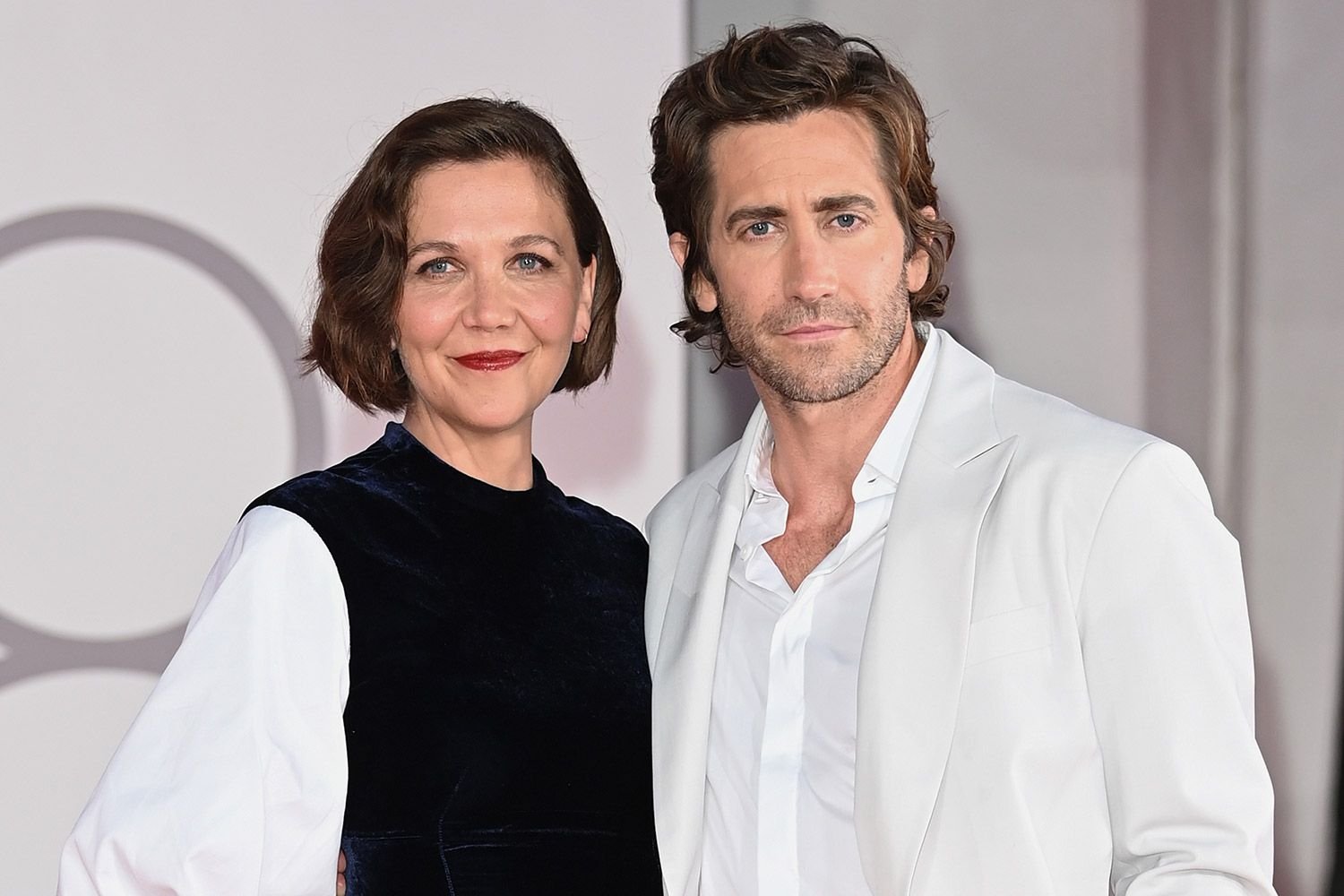
Some Hollywood careers feel carefully engineered. Others unfold in a way that feels almost unpredictable, shaped by instinct rather than strategy. Maggie Gyllenhaal belongs firmly in the second category.
From her earliest screen appearances to her critically praised performances and later transition into directing, Maggie Gyllenhaal has built a career defined by intelligence, risk-taking, and emotional depth. She never relied on the traditional Hollywood formula of fame-first success. Instead, she chose roles that challenged her, sometimes even uncomfortable ones, and that choice changed everything.
What makes Maggie Gyllenhaal so fascinating is not just her talent, but her refusal to be boxed into one version of success. She has moved between independent films, major studio productions, and now directing with a confidence that feels earned rather than manufactured.
This article takes a closer look at how Maggie Gyllenhaal built a lasting place in Hollywood, and why her journey still stands out today.
Early Life and Artistic Foundations of Maggie Gyllenhaal
Before Hollywood recognition, Maggie Gyllenhaal grew up in an environment already connected to storytelling and cinema. That early exposure played a subtle but important role in shaping her understanding of film.
However, what stands out most is that Maggie Gyllenhaal did not simply rely on family connections. Instead, she developed her own artistic identity through study, observation, and early theatre work.
Key early influences
- Strong academic background in literature and arts
- Early involvement in theatre and independent projects
- Exposure to film production culture from a young age
- Interest in complex, character-driven stories
Even in these early stages, Maggie Gyllenhaal showed a preference for layered storytelling rather than superficial roles.
First Steps into Hollywood: Building credibility slowly
Unlike actors who explode into fame overnight, Maggie Gyllenhaal took a slower, more deliberate route into the industry. Her early roles were often modest, but they allowed her to build something more valuable than instant fame: credibility.
Early career traits
- Supporting roles in independent films
- Strong focus on character authenticity
- Willingness to take unconventional parts
- Gradual recognition from critics
At this stage, Maggie Gyllenhaal was not yet a household name, but she was already gaining respect among filmmakers who valued performance depth over popularity.
Breakthrough moments in Maggie Gyllenhaal’s career
Every actor has a turning point, and for Maggie Gyllenhaal, that moment came when audiences began to notice the emotional weight she brought to every role.
Her breakthrough wasn’t tied to one single film alone, but rather a series of performances that revealed consistency and range.
Why she stood out
- Natural emotional expression without overacting
- Ability to portray vulnerability and strength together
- Strong screen presence even in supporting roles
- Selection of bold, unconventional characters
This period marked the moment when Maggie Gyllenhaal shifted from rising talent to established actress.
Maggie Gyllenhaal and her unique acting style
What separates Maggie Gyllenhaal from many of her peers is her acting style. It is subtle, grounded, and deeply human. She rarely relies on dramatic exaggeration; instead, she builds emotion gradually.
Defining elements of her style
- Minimalist but powerful expressions
- Focus on internal emotional conflict
- Natural dialogue delivery
- Strong connection to character psychology
This approach has made Maggie Gyllenhaal particularly effective in roles that demand emotional complexity rather than surface-level performance.
Hollywood recognition and critical success
As her career progressed, Maggie Gyllenhaal began receiving broader recognition. Critics consistently praised her ability to elevate even challenging scripts.
What contributed to her success
- Consistency across genres
- Collaboration with respected directors
- Strong presence in independent cinema
- Selective approach to major studio roles
At this stage, Maggie Gyllenhaal was no longer just an actress; she was becoming a respected artistic voice in Hollywood.
Transition into directing: A bold new chapter
One of the most important evolutions in the career of Maggie Gyllenhaal is her move into directing. This transition did not feel forced; instead, it felt like a natural extension of her artistic curiosity.
Why directing made sense for her
- Deep understanding of character psychology
- Long experience working with diverse filmmakers
- Strong storytelling instincts
- Desire to shape narratives from behind the camera
As a director, Maggie Gyllenhaal brings the same emotional precision she is known for as an actress.
BIO Table: Maggie Gyllenhaal
| Category | Details |
|---|---|
| Full Name | Margaret Ruth Gyllenhaal |
| Date of Birth | November 16, 1977 |
| Age | 47 (approx.) |
| Profession | Actress, Director, Producer |
| Nationality | American |
| Net Worth (approx.) | Multi-million USD |
| Notable Works / Achievements | Critically acclaimed film roles, award-nominated performances, successful directing career |
Maggie Gyllenhaal’s influence on modern cinema
The impact of Maggie Gyllenhaal extends beyond her filmography. She represents a shift in how actresses can evolve within the industry.
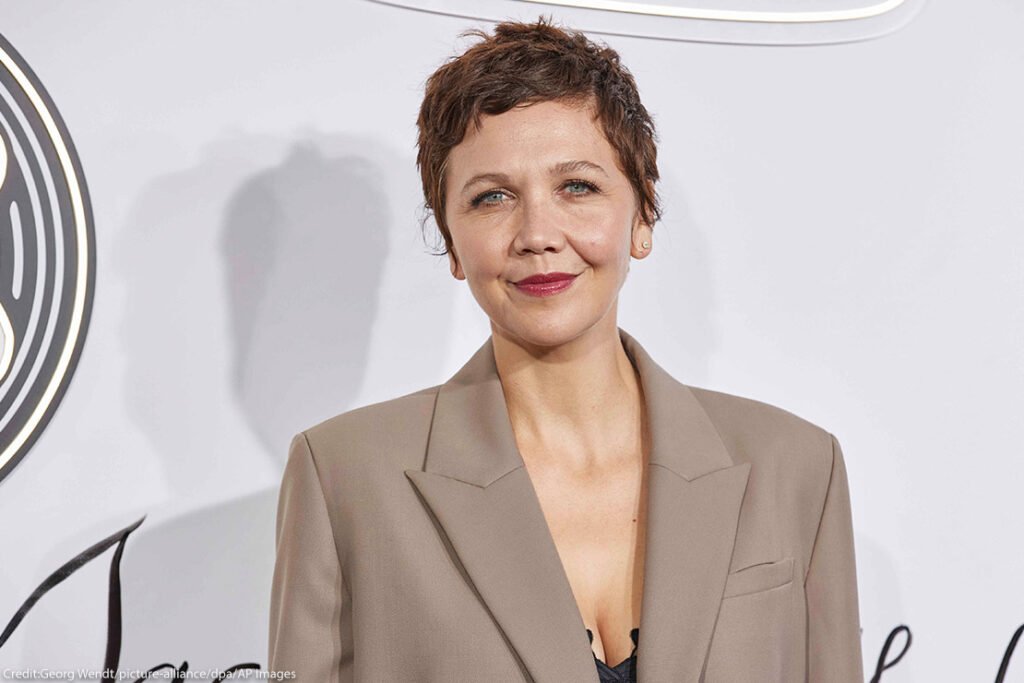
Her influence includes:
- Encouraging stronger female-led storytelling
- Challenging traditional Hollywood role expectations
- Expanding opportunities for women in directing
- Supporting independent cinema culture
In many ways, Maggie Gyllenhaal has become a symbol of creative independence.
Challenges and choices in her career path
No long-term Hollywood career is without challenges. For Maggie Gyllenhaal, the challenge was not lack of opportunity, but rather choosing the right ones.
Common challenges she navigated
- Balancing independent and mainstream projects
- Avoiding typecasting in similar roles
- Maintaining artistic integrity under industry pressure
- Transitioning into directing with credibility
Despite these challenges, Maggie Gyllenhaal consistently made choices that prioritized long-term artistic value over short-term visibility.
Why Maggie Gyllenhaal remains relevant today
Even after decades in the industry, Maggie Gyllenhaal continues to stay relevant. That relevance comes not from constant exposure, but from meaningful work.
Key reasons for her lasting impact
- Continuous evolution as an artist
- Strong critical reputation
- Successful shift into directing
- Ability to stay selective with projects
This combination keeps Maggie Gyllenhaal relevant in a rapidly changing entertainment landscape.
Lessons from Maggie Gyllenhaal’s journey
The career of Maggie Gyllenhaal offers several lessons for anyone interested in creative industries.
Key takeaways
- Slow growth can lead to lasting success
- Artistic integrity often outperforms trends
- Risk-taking can define long-term legacy
- Reinvention is part of career longevity
These principles explain why Maggie Gyllenhaal remains respected across generations of film audiences.
Conclusion
A journey built on depth, not shortcuts
The journey of Maggie Gyllenhaal to Hollywood success is not a story of overnight fame. It is a story of thoughtful decisions, artistic courage, and steady evolution.
From her early acting days to her transition into directing, Maggie Gyllenhaal has consistently chosen depth over convenience. That choice has shaped a career that feels both authentic and enduring.
In an industry often driven by trends, Maggie Gyllenhaal stands out as someone who built her path on her own terms. And that may be the most powerful definition of success in Hollywood today.
If her journey teaches us anything, it is this: lasting success is not about speed, but about direction.