






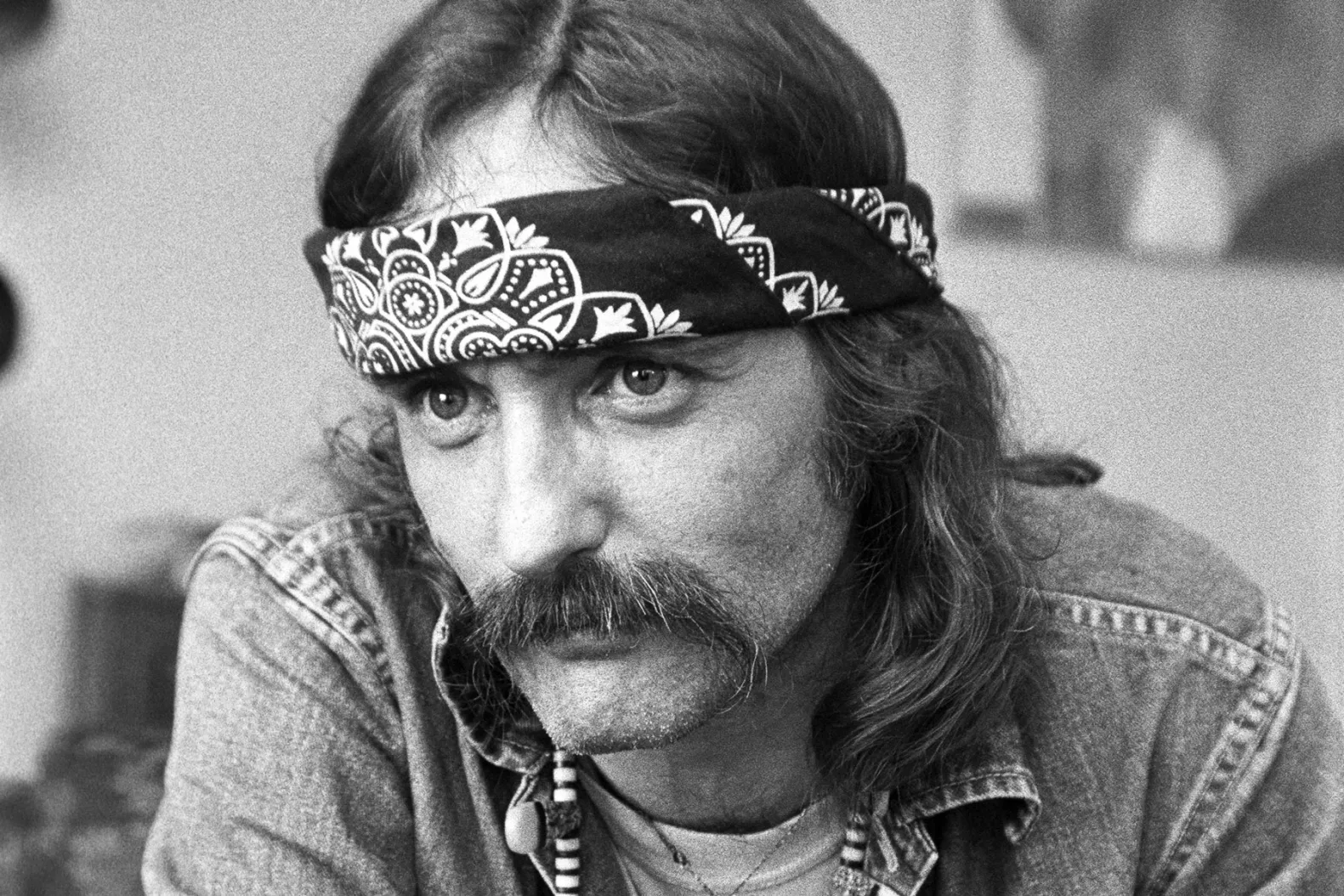
Some actors follow rules. Others break them. And then there was Dennis Hopper, who seemed to live somewhere beyond both categories. His career wasn’t just about acting; it was about disruption, reinvention, and a raw kind of creativity that Hollywood didn’t always know how to handle.
When people talk about Dennis Hopper, they’re not just discussing a film star. They’re talking about a cultural force—someone who moved through cinema like a storm, sometimes chaotic, sometimes brilliant, always unforgettable.
In this article, we’ll explore Dennis Hopper life, legacy, and greatest roles, tracing how he went from young actor to counterculture icon, and eventually into one of the most respected character actors of his generation.
Dennis Hopper BIO
| Category | Details |
|---|---|
| Full Name | Dennis Lee Hopper |
| Date of Birth | May 17, 1936 |
| Age | Deceased (74 at passing in 2010) |
| Profession | Actor, director, photographer |
| Nationality | American |
| Net Worth (approx.) | Estimated multi-million USD estate |
| Notable Works / Achievements | Easy Rider, Apocalypse Now, Blue Velvet, Speed |
Early life and the making of Dennis Hopper
Before Dennis Hopper became a Hollywood legend, he was just a young boy drawn to storytelling and visual expression. Born in Kansas, he later moved to California, where the world of cinema started shaping his ambitions.
Early on, Dennis Hopper showed interest in acting and photography. That dual passion would later define much of his creative identity.
His early career was not smooth. In fact, Dennis Hopper often struggled with typecasting and studio expectations. However, those challenges played a huge role in shaping his rebellious artistic voice.
This early period is essential when understanding Dennis Hopper life, legacy, and greatest roles, because it explains why he always pushed against convention.
Breaking into Hollywood
During the 1950s, Dennis Hopper began appearing in films and television roles. At first, he was often cast in small parts—young rebels, troubled teens, or background characters with attitude.
But something about him stood out.
Directors noticed:
- His intense screen presence
- His unpredictable emotional delivery
- His willingness to experiment
- His natural camera magnetism
Even in small roles, Dennis Hopper made an impression that was hard to ignore.
The breakthrough: Easy Rider and cultural impact
If there is one defining moment in Dennis Hopper life, legacy, and greatest roles, it is undoubtedly Easy Rider (1969).
Why Easy Rider mattered so much
Dennis Hopper didn’t just act in this film—he directed it, co-wrote it, and helped shape its entire identity.
The movie became a symbol of counterculture America. It captured freedom, rebellion, and the tension of a changing society.
Key reasons for its impact:
- Low-budget independent filmmaking success
- Realistic portrayal of American counterculture
- Groundbreaking storytelling style
- Iconic motorcycle imagery
- Strong performances and raw authenticity
For Dennis Hopper, this was more than a film. It was a statement.
And in many ways, it permanently changed how Hollywood viewed independent cinema.
Career highs and artistic evolution
After Easy Rider, Dennis Hopper became both celebrated and controversial. His behavior off-screen sometimes overshadowed his talent, but his artistic influence remained undeniable.
Throughout the 1970s and 1980s, he built a career filled with experimentation and unpredictability.
Key characteristics of his career during this period:
- Unconventional role choices
- Dark, intense character portrayals
- Frequent collaborations with bold directors
- A mix of mainstream and independent films
This period is crucial in understanding Dennis Hopper life, legacy, and greatest roles, because it shows his refusal to be controlled by Hollywood systems.
Greatest roles that defined Dennis Hopper
Easy Rider (1969)
As mentioned earlier, this film remains one of his most defining achievements. His performance combined vulnerability with rebellion, making it unforgettable.
Apocalypse Now (1979)
In Apocalypse Now, Dennis Hopper played a photojournalist immersed in war chaos. His performance was eccentric, unpredictable, and strangely poetic.
What made it powerful:
- Improvised-style dialogue
- Intense emotional energy
- Symbolic representation of war madness
Blue Velvet (1986)
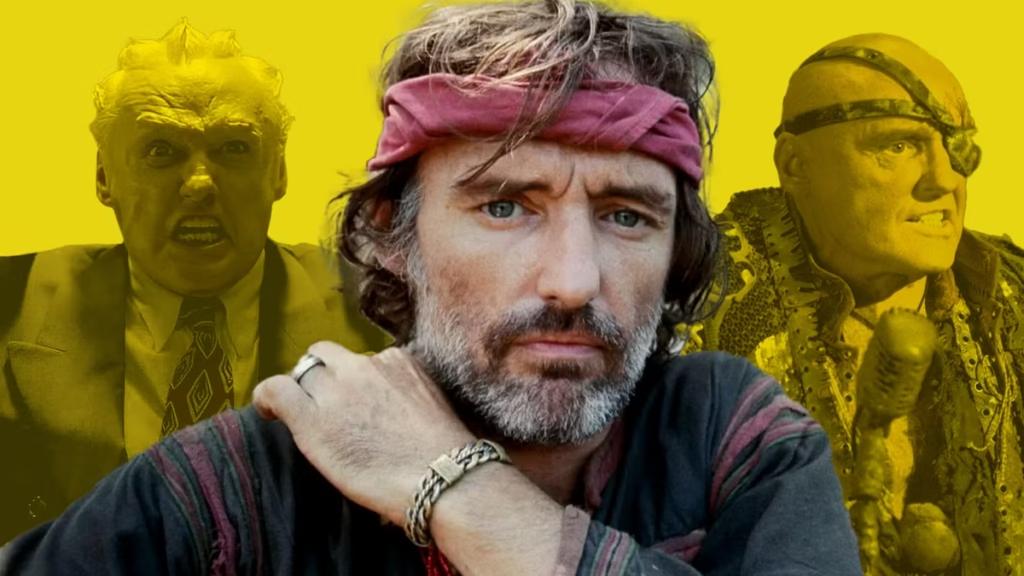
One of his most chilling performances came in Blue Velvet. As Frank Booth, Dennis Hopper delivered one of cinema’s most disturbing villain portrayals.
This role showed:
- His ability to portray psychological darkness
- Fearless performance choices
- Full commitment to extreme character work
Speed (1994)
Later in his career, Dennis Hopper surprised audiences again with Speed. Playing a calculated antagonist, he proved he could still dominate mainstream action cinema.
This role brought him to a new generation of viewers.
Acting style and creative identity
What made Dennis Hopper unique wasn’t just the roles he played, but how he played them.
Key traits of his acting style:
- Raw emotional intensity
- Unpredictable performance rhythm
- Deep character immersion
- Strong improvisational energy
In many ways, Dennis Hopper rejected traditional acting structure. Instead, he relied on instinct and emotional truth.
This approach made his performances feel alive, even when they were chaotic.
Challenges and personal struggles
No discussion of Dennis Hopper life, legacy, and greatest roles is complete without acknowledging his struggles.
He faced:
- Industry rejection at various stages
- Personal battles with substance use
- Career instability during certain decades
- Public controversies
However, what makes his story compelling is not just the struggle, but the comeback.
Despite setbacks, Dennis Hopper continuously returned to acting and reinvented himself.
Later career and recognition
In his later years, Dennis Hopper found renewed respect in Hollywood. He appeared in television, independent films, and major productions.
He became a respected elder figure in cinema—someone younger actors admired for his fearless approach.
Even when roles became smaller, his presence remained powerful.
This stage of his career adds depth to Dennis Hopper life, legacy, and greatest roles, showing that artistic influence doesn’t fade easily.
Legacy in cinema history
Dennis Hopper’s legacy is complex, but undeniably important.
He contributed to:
- The rise of independent cinema
- New Hollywood storytelling style
- Experimental acting approaches
- Counterculture representation in film
His influence can still be seen in modern filmmakers who value authenticity over polishh.
Summary of key films
Here is a quick overview of his most influential works:
- Easy Rider
- Apocalypse Now
- Blue Velvet
- Speed
- Hoosiers
- Rebel Without a Cause (early appearance)
Each of these films represents a different phase in Dennis Hopper life, legacy, and greatest roles.
Table: Career highlights overview
| Year | Film | Significance |
|---|---|---|
| 1969 | Easy Rider | Breakthrough & cultural revolution |
| 1979 | Apocalypse Now | Iconic supporting performance |
| 1986 | Blue Velvet | One of cinema’s greatest villains |
| 1994 | Speed | Mainstream comeback success |
| Various | Independent films | Artistic experimentation |
Why Dennis Hopper still matters today
Modern cinema continues to reflect his influence. Directors today still study his work for its rawness and emotional honesty.
Dennis Hopper proved that acting doesn’t always have to be polished. Sometimes, it just has to be real.
That’s why discussions around Dennis Hopper life, legacy, and greatest roles remain relevant even decades after his peak.
Conclusion
A life defined by risk and creativity
Looking back, Dennis Hopper wasn’t just an actor—he was a creative force who lived cinema as much as he performed it.
His journey was not smooth, predictable, or carefully managed. Instead, it was full of risks, reinvention, and bold choices that shaped his legacy.
From Easy Rider to Blue Velvet, Dennis Hopper left behind performances that continue to challenge and inspire filmmakers today.
If there is one takeaway from Dennis Hopper life, legacy, and greatest roles, it is this: true artistic impact often comes from those who are willing to break the rules completely.