






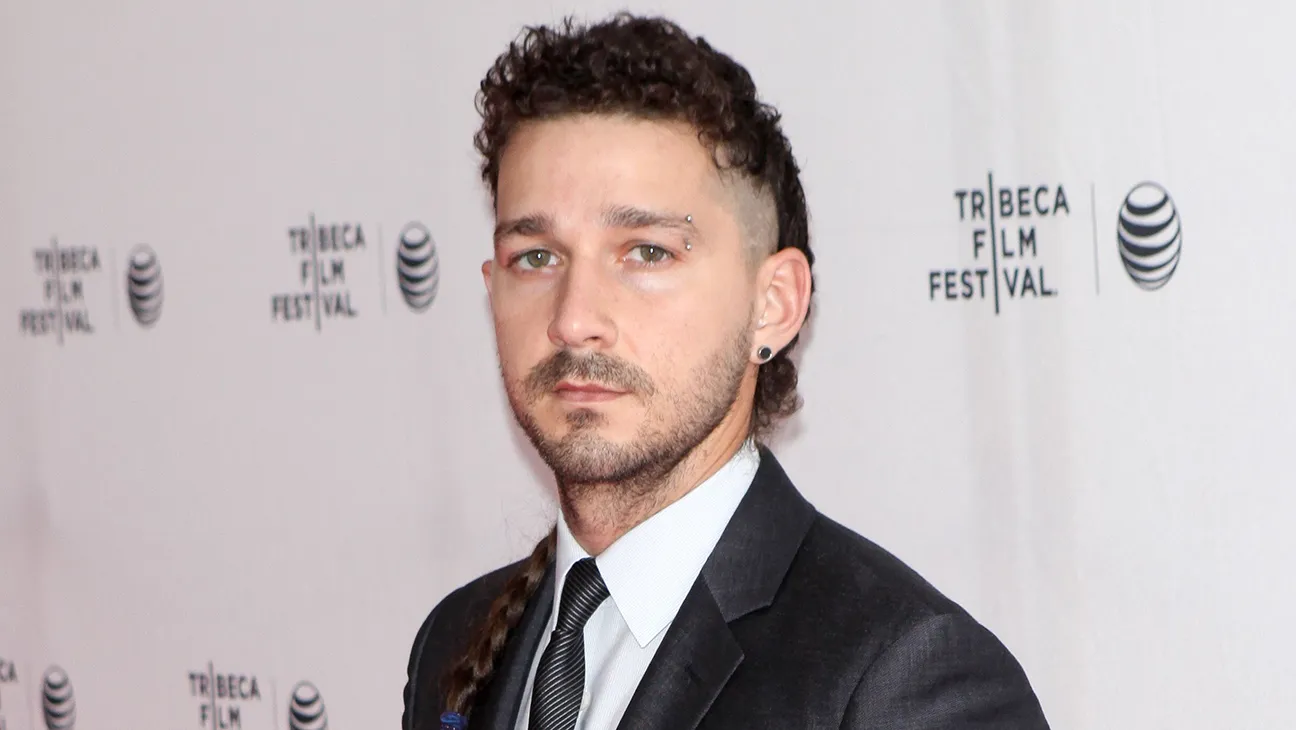
Few Hollywood actors have lived a career as unpredictable and fascinating as Shia LaBeouf. From early fame as a Disney child star to becoming one of the most talked-about actors of his generation, his journey is anything but ordinary. When people talk about Shia LaBeouf, they rarely stick to just one version of him. Instead, they see a mix of talent, controversy, artistic risk, and raw emotional honesty.
What makes the story of Shia LaBeouf so compelling is not just his filmography, but the way he constantly reinvents himself. One moment he is a blockbuster action hero, the next he is a performance artist pushing boundaries, and then again a deeply introspective filmmaker exploring personal pain.
This article takes a deep look at how Shia LaBeouf evolved from a child star into a complex cultural figure and modern icon.
Early beginnings: the making of Shia LaBeouf
Before becoming a global name, Shia LaBeouf started in a very humble and relatable way. Raised in Los Angeles, he grew up in a challenging environment, which later influenced his emotional depth as an actor.
He began performing stand-up comedy at a young age and quickly developed a reputation for being expressive, intense, and unusually mature for his age.
Key early influences in his life:
- Stand-up comedy clubs in Los Angeles
- Early exposure to performance arts
- Difficult family background
- Strong improvisational instincts
- Desire to escape financial instability
Even at this stage, Shia LaBeouf showed signs of the emotional intensity that would define his career.
Disney breakthrough and early fame
The real turning point for Shia LaBeouf came when he landed the lead role in the Disney Channel series Even Stevens. This show made him a household name almost overnight.
At this stage, he was known for:
- High-energy comedic timing
- Relatable teenage characters
- Physical comedy skills
- Natural screen presence
- Strong improvisation ability
Winning a Daytime Emmy Award as a teenager set the tone for what many expected to be a smooth Hollywood career for Shia LaBeouf. However, things would soon take a more complicated direction.
Transition to Hollywood films
After his Disney success, Shia LaBeouf made a bold transition into mainstream cinema. Unlike many child actors who fade out, he quickly established himself in major Hollywood productions.
Some of his early film roles included:
- Holes (breakthrough film role)
- Disturbia (thriller success)
- Transformers franchise (global fame)
- Indiana Jones and the Kingdom of the Crystal Skull
The Transformers series, in particular, turned Shia LaBeouf into an international action star. He became associated with blockbuster cinema, high-budget productions, and global recognition.
However, even at the peak of commercial success, he often expressed discomfort with mainstream fame.
Rise of controversy and public scrutiny
As Shia LaBeouf became more famous, his public behavior started drawing attention. He began to challenge Hollywood expectations and openly questioned his career choices.
Key controversies included:
- Public incidents with law enforcement
- Unconventional red carpet behavior
- Experimental art projects
- Emotional public statements
- Viral media moments
These moments made Shia LaBeouf a polarizing figure. Some saw him as unpredictable, while others saw him as an artist pushing against industry limitations.
Artistic transformation and experimental work
One of the most important phases in Shia LaBeouf’s career is his transition into performance art and independent projects.
He began collaborating with artists, creating installations, and exploring deeply personal themes such as identity, trauma, and accountability.
Notable artistic directions:
- Performance art installations
- Public emotional expression projects
- Experimental film collaborations
- Minimalist storytelling approaches
- Self-reflective artistic pieces
This period showed a different side of Shia LaBeouf, one that prioritized emotional truth over commercial success.
Acting comeback and critical acclaim
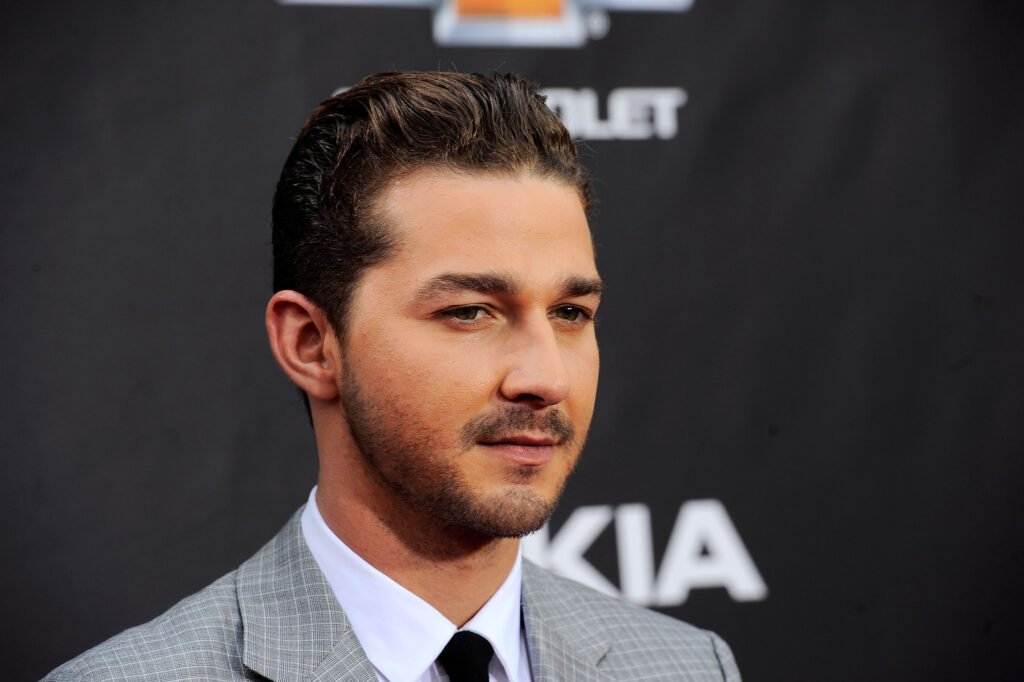
Despite controversy, Shia LaBeouf returned strongly to acting with more mature and emotionally grounded roles. His performances began to receive critical recognition again.
Major projects included:
- Honey Boy (semi-autobiographical film)
- The Peanut Butter Falcon
- Pieces of a Woman
In Honey Boy, Shia LaBeouf did something rare in Hollywood: he played a version of his own father, based on his real life. This project revealed vulnerability, emotional depth, and self-awareness.
Critics praised Shia LaBeouf for:
- Emotional authenticity
- Raw performance style
- Willingness to confront personal trauma
- Artistic bravery
- Mature storytelling choices
This phase marked a serious turning point in how audiences viewed Shia LaBeouf.
Filmography highlights
Here is a simplified overview of major works in the career of Shia LaBeouf:
| Category | Examples |
|---|---|
| Early TV | Even Stevens |
| Teen films | Holes |
| Blockbusters | Transformers series |
| Thrillers | Disturbia |
| Indie films | The Peanut Butter Falcon |
| Biographical drama | Honey Boy |
| Drama films | Pieces of a Woman |
Each phase of Shia LaBeouf’s career shows a different artistic identity.
Public image and media perception
The media portrayal of Shia LaBeouf has shifted many times over the years. At times, he has been labeled a rising superstar, and at other times a troubled celebrity.
Common public perceptions include:
- Talented but unpredictable
- Emotionally intense performer
- Experimental and artistic risk-taker
- Controversial public figure
- Deeply reflective creative mind
Despite mixed opinions, Shia LaBeouf continues to remain relevant in cultural discussions.
Personal struggles and transformation
Behind the public image, Shia LaBeouf has openly discussed struggles with mental health, addiction, and personal growth. These experiences have influenced both his life and his work.
Important themes in his personal journey:
- Addiction recovery
- Emotional healing
- Family trauma
- Accountability and reflection
- Spiritual and artistic exploration
These elements have shaped the more mature version of Shia LaBeouf we see today.
Cultural impact and legacy
The influence of Shia LaBeouf extends beyond film. He represents a rare type of Hollywood figure who constantly challenges expectations.
His cultural impact includes:
- Redefining child actor transitions
- Blending performance art with mainstream cinema
- Inspiring discussions about mental health in Hollywood
- Influencing modern experimental filmmaking
- Becoming a symbol of reinvention
Even when controversial, Shia LaBeouf remains part of important conversations about art and identity.
Why Shia LaBeouf remains relevant today
There are many actors in Hollywood, but few generate as much discussion as Shia LaBeouf. His career is not defined by a single genre or role, but by constant evolution.
Reasons for his continued relevance:
- Unpredictable career choices
- Emotional and raw acting style
- Strong indie film presence
- Cultural and artistic experimentation
- Publicly visible personal transformation
In many ways, Shia LaBeouf represents the idea that an artist is never fixed—they are always becoming something new.
Conclusion
The evolving icon of modern Hollywood
The journey of Shia LaBeouf is not a simple success story. It is a layered narrative filled with highs, lows, reinventions, and emotional depth. From Disney fame to blockbuster stardom, from controversy to artistic reinvention, Shia LaBeouf has continuously reshaped his identity.
What makes his story powerful is not perfection, but transformation. He is an example of how fame, struggle, and creativity can collide in unpredictable ways.